London, United Kingdom – Recent headlines in British newspapers highlight tensions across the UK due to the US-Israel war on Iran: economic woes, political friction, and concerns about the country's strategic and military readiness if the conflict persists.
On Thursday, the Financial Times reported “Consumer confidence slumps to two-year low,” while The Guardian noted “UK braces for price rises driven by Iran war as economic confidence plummets” and “UK prepared to deploy RAF Typhoons to keep Strait of Hormuz open.” Earlier, The Independent reported that Prime Minister Keir Starmer risked US President Donald Trump's wrath by “refusing to let US use UK bases” for strikes on Iran's infrastructure.
For Iranians living in the UK, the war brings additional anxiety. Omid Habibinia, a 50-year-old born in Tehran who moved to the UK 25 years ago, said: “Since the first day of the war, connection has been cut off. I am witnessing the pain of those close to me, many without news of their families. About 90 million people inside Iran have been effectively imprisoned by the internet shutdown, and millions more deprived of contact with loved ones.”
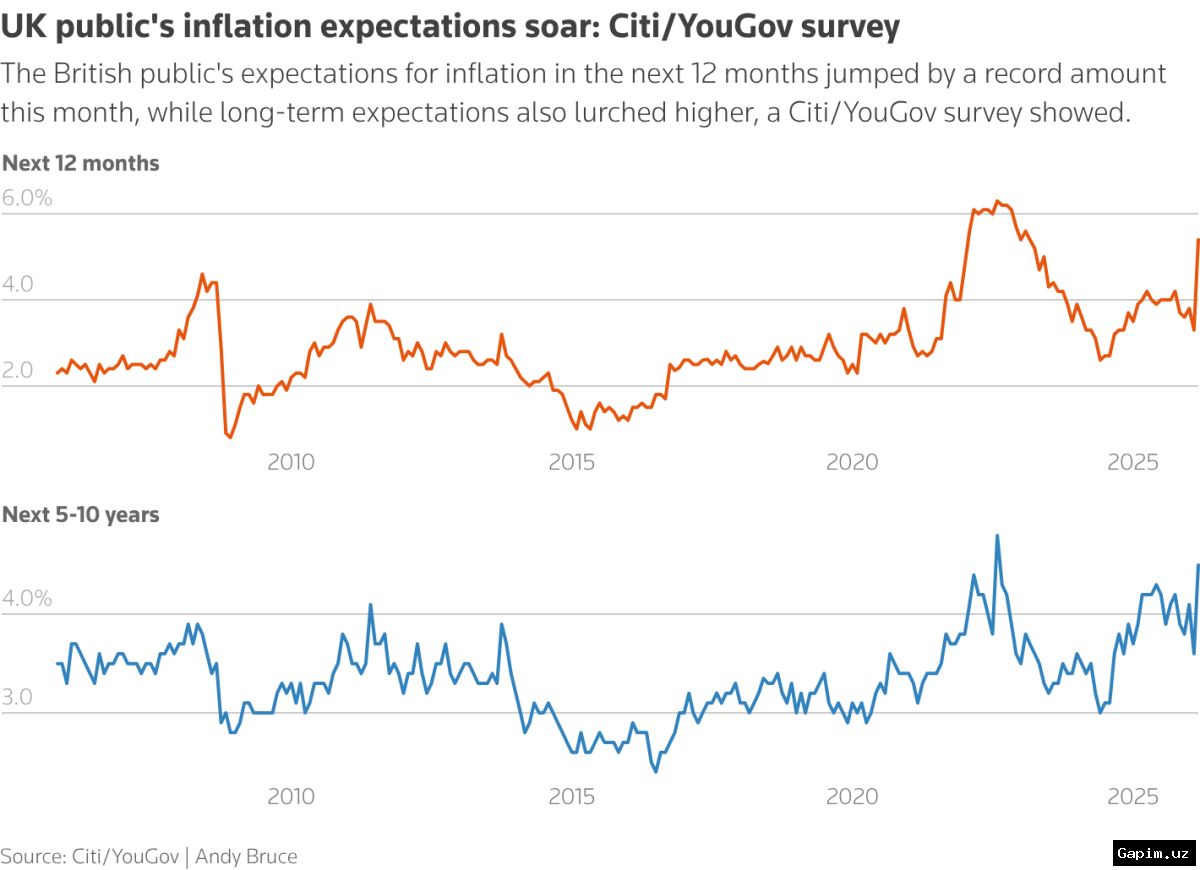
Economic impacts are expected to be long-lasting. Luke Bartholomew, deputy chief economist at Aberdeen, said: “The UK economy is particularly badly exposed to the Iran shock as a big energy importer with weakly anchored inflation expectations and an already soft labour market.” Households face higher mortgage costs, food and fuel prices amid a continued cost-of-living crisis.
The government has urged calm. Starmer formed an Iran crisis committee, stating “we will stand by working people in this crisis.” However, he hinted people might change holiday plans and cut back on food. Critics argue the government's stretched finances cannot afford needed energy subsidies and lament reluctance to exploit North Sea oil reserves.
Before the war, the UK economy was improving: inflation and fuel costs falling, government borrowing down, unemployment dropping. Now, London house prices have tumbled as sellers grow nervous and buyers wait. Flights are cancelled due to jet fuel shortages.
Thomas Pugh, chief economist at RSM UK, said: “The Strait of Hormuz has effectively been shut since early March. The International Energy Agency called it the largest supply disruption in global oil market history. Oil prices have spiked, gas prices are climbing, and inflation fears are back. The bigger risk is demand destruction across the whole economy.”
An IPSOS survey in December found 74% of Britons expect large-scale unrest in 2026. Bartholomew added: “With inflation rising and wage growth sluggish, real wages are likely to turn negative in coming months. Without the war, the Bank of England would be cutting rates in April; instead, the market prices in rate hikes.”
Source: www.aljazeera.com