Uzbekistan, Tashkent – Podrobno.uz. A three-day media expedition from Lake Dengizkul in Bukhara region through the tugai forests of the Amu Darya and the Khorezm National Park to Lake Sudochye near the former shore of the Aral Sea demonstrated why water is crucial not only for fields and cities but also for preserving natural ecosystems.
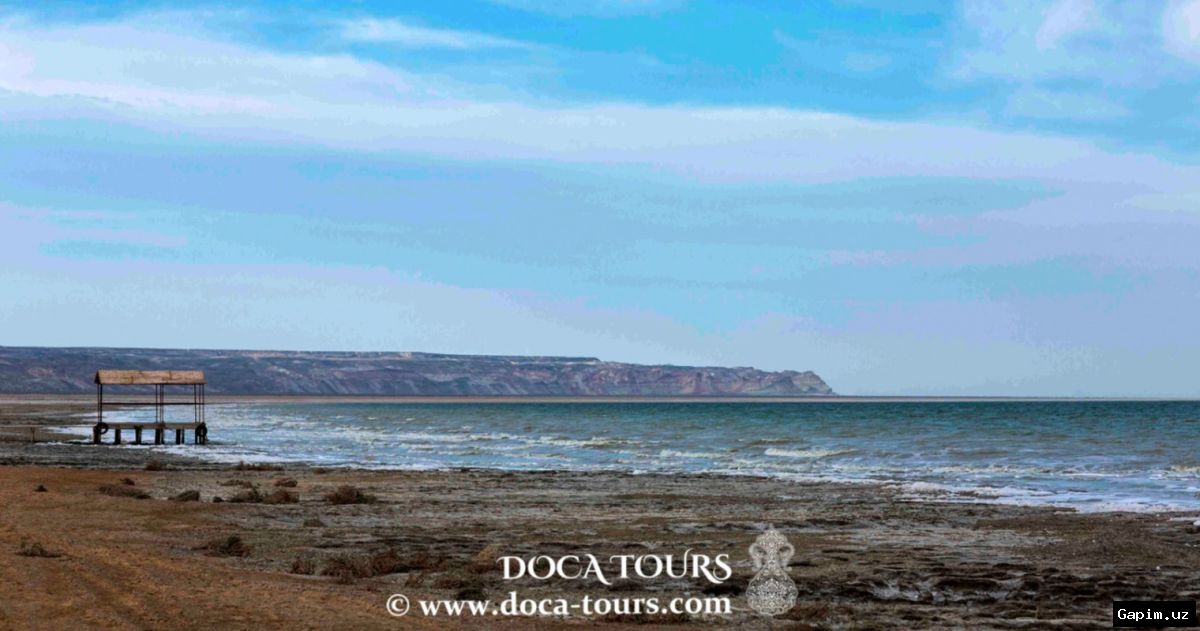
The expedition was part of the Aral Sea Wetlands project implemented by Uzbekistan’s National Committee for Ecology and Climate Change, UNDP, and the Global Environment Facility. The route covered Bukhara and Khorezm regions as well as Karakalpakstan.
The main focus was on water ecosystems, land degradation, protected areas, and biodiversity conservation. Experts emphasized that the goal is not to “restore the Aral Sea” to its former boundaries, but to preserve what is still alive and can be restored: lakes, wetlands, tugai forests, pastures, bird migration routes, and local ecosystems.
Professor Malika Ikramova, head of the laboratory for Integrated Water Resources Use, stated: “Today, many sectors compete for limited water resources, so issues of fair and efficient distribution are becoming increasingly relevant. The Water Code has been adopted, paying special attention to sustainable management of water and natural resources.”
Lake Dengizkul is included in the Ramsar List of Wetlands of International Importance. Dozens of bird species, including pelicans, swans, and herons, winter and stop there. According to experts, in some periods up to 40% of wintering waterbirds in Uzbekistan concentrate on this lake.
In the Kyzylkum State Reserve, special attention was paid to tugai forests. Director Mirzagali Kilishev explained that tugai forests are entirely dependent on water: natural floods allow the forest to regenerate. Without water, young trees die, and the forest thins and fragments.
The Khorezm National Natural Park combines tugai forests, sandy areas, salt marshes, and water bodies. It is home to the Bukhara deer, Turkmen caracal, swans, flamingos, and other rare species. Four fawns were born in the park’s nursery.
The unique Amu Darya sturgeon (false shovelnose sturgeon), a “living fossil,” is critically endangered due to hydropower construction, water diversion for irrigation, pollution, and poaching.
Expedition participants concluded that water is needed not only for the economy but also to sustain ecosystems. Environmental water releases are necessary to preserve lakes, tugai forests, and biodiversity.
Source: podrobno.uz