The US Federal Bureau of Investigation (FBI) has conducted its largest international crackdown on India-based organized crime gangs, dubbed "Operation Hard Ball." Last week, 24 suspects were arrested across the US, Canada, and Spain, with 37 defendants indicted.
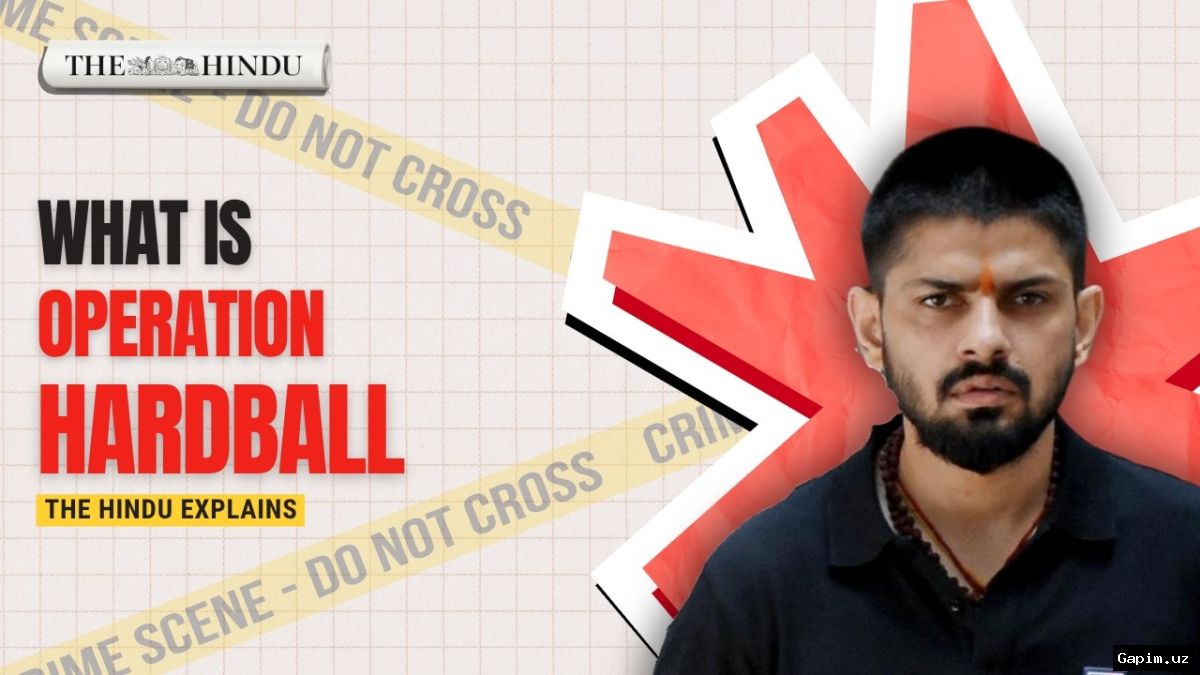
At the center of the operation is Lawrence Bishnoi, an Indian gangster who, according to US prosecutors, directed murders, extortion, and international drug trafficking from a prison in Gujarat using smuggled mobile phones. His alleged deputy, Goldy Brar (Satinderjeet Singh Brar), remains a fugitive with a $50,000 FBI reward on his head.
India's External Affairs Ministry spokesperson Randhir Jaiswal welcomed the US indictment, stating that India and the US share a "strong and growing" partnership in combating organized crime and terrorism. Experts say Operation Hard Ball's significance extends beyond one gang, revealing how India-based organized crime has evolved from a domestic issue into a transnational enterprise spanning North America and Europe.
According to the indictment, the Bishnoi organization used violence, drug trafficking, and extortion to build influence among the Indian diaspora. Prosecutors allege the gang demanded millions of dollars from business owners in North America and ordered violence against those who refused to pay.
The indictment also accuses Bishnoi and Brar of directing the 2023 killing of Sikh separatist leader Hardeep Singh Nijjar outside a gurdwara in Surrey, British Columbia—a murder that plunged India-Canada relations into crisis. However, the charging document does not allege any Indian government involvement.
Unlike earlier syndicates like Dawood Ibrahim's D-Company or Chhota Rajan's network, the Bishnoi gang represents a new generation of Indian organized crime, according to counter-narcotics specialist Shreekumar Menon. It operates without foreign government protection, relying on diaspora networks, digital communications, and drug trafficking.
Ajay Sahni, executive director of the Institute for Conflict Management, said Operation Hard Ball has exposed a threat that has been evolving for decades. "Encrypted communications, cryptocurrencies, and cheap international travel have enabled loosely connected cells to collaborate across continents without rigid hierarchies," he said.
Former senior Indian intelligence officer Avinash Mohananey noted that the Bishnoi network is not the first Indian crime syndicate to go global. "The action by US authorities, working with international partners, has the potential to make a significant dent in the Bishnoi network," he added.
Source: www.dw.com