The President of Uzbekistan signed a constitutional law on the Tashkent International Financial Center (TIFC) on July 13. The document was previously adopted by the Legislative Chamber and approved by the Senate.
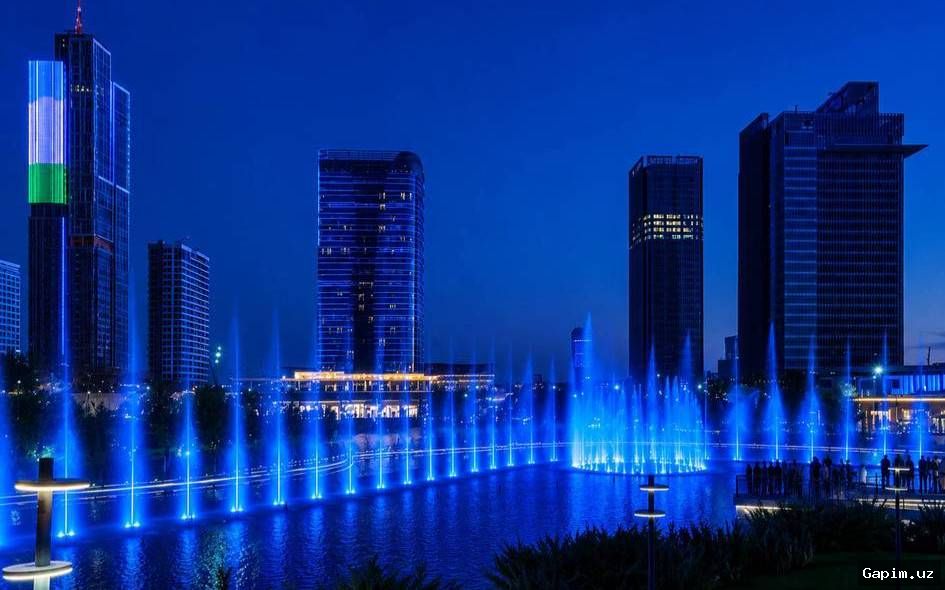
According to the law, the financial center encompasses not only a designated territory but also legal, regulatory, and institutional systems. The initial boundaries of the center are set by the president and can only be expanded later.
The main objective of the center is to develop international financial services, attract investment, and enhance the competitiveness of Uzbekistan's economy. Key areas include capital markets, banking, insurance, Islamic finance, digital assets, and e-commerce.
Participants can be foreign and local legal entities, as well as companies established under the center's rules. The registration procedure and criteria are determined by the center's council.
Special identification numbers will be issued to participants, employees, and their family members, recognized throughout Uzbekistan.
The law allows for the establishment of holding companies, special purpose vehicles (SPVs), funds, trusts, and fiduciary structures. Such activities require licensing or registration.
Services permitted within the center include legal, consulting, valuation, accounting, tax, fintech, and software development. Retail trade, hotels, educational and cultural institutions are also allowed.
Participants can provide banking, credit, and investment services, manage assets, and engage in brokerage. Trading in stocks, bonds, currencies, commodities, and derivatives is permitted.
Operations with digital assets, including cryptocurrency exchanges and trading platforms, are allowed. Some activities require a permit from the Financial Services Authority.
A special hierarchy of legal acts is established in the center. The Constitution and constitutional law take precedence, followed by presidential decrees and decisions of the center's bodies. In other cases, the law of England and Wales applies.
English is the official language of the center, used in documents and court proceedings. Documents are adopted and published in English.
The center's bodies must conduct public consultations before making important decisions. In urgent cases, decisions can be made without prior discussion, but consultations must be held within 60 days.
Funds and assets of participants and employees cannot be confiscated, except as provided by law. Any interference must be lawful and proportionate.
Tax incentives are valid until 2076. Qualified participants are exempt from corporate income tax and social tax. Criteria for investment tax residency have been relaxed.
Currency operations within the center are not subject to general national legislation. Free repatriation of capital and currency conversion are guaranteed.
Visas for foreign nationals can be issued electronically or at the airport within the center. Participants can hire foreign workers without national permits.
The center's governing bodies include the council, administration, Financial Services Authority, and Tashkent International Commercial Court. They operate independently within their mandates.
Source: www.gazeta.uz