President Shavkat Mirziyoyev announced at a meeting on July 21 that the results of an agricultural census showed the actual number of cattle in Uzbekistan is 2.1 million head lower than previously reported, standing at 12.23 million. The number of sheep and goats was also 1.5 million head lower, with sheep at 20.3 million and goats at 2.8 million.
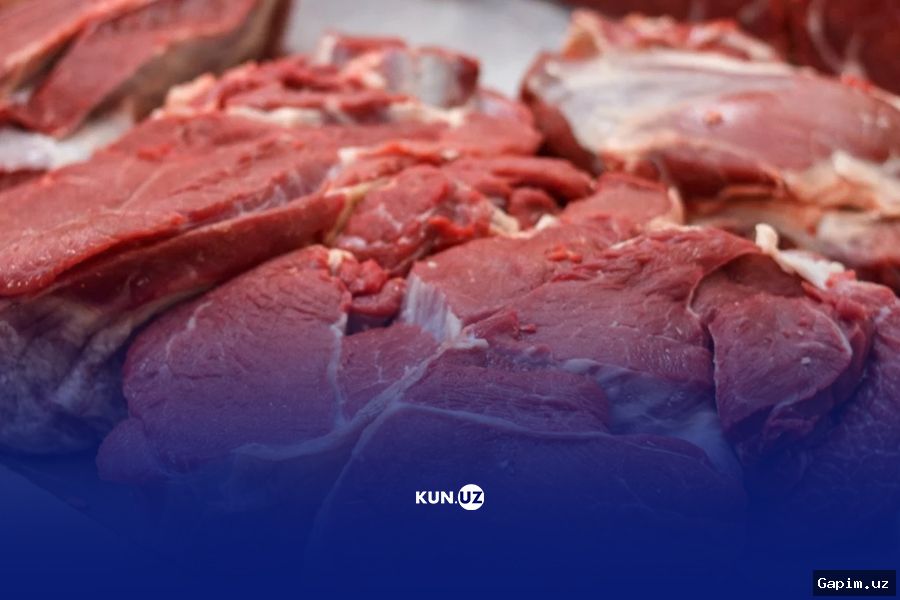
The meeting emphasized the need to curb inflation by increasing the supply of goods and services. Meat prices rose by 6-8% in April-June. The government allocated 300 billion soums to cover air transport costs for imported meat.
Regional governors had planned to keep inflation below 3% in January-June, but only Samarkand region succeeded. Entrepreneurs in Tashkent city and region imported 1,300 tons of meat by air, while other regions showed insufficient initiative.
The president ordered governors and relevant agencies to review meat balances for each region and develop an import plan specifying timelines, supplier countries, and required volumes.
In Kashkadarya region, cattle numbers were found to be 171,000 head lower, and sheep and goats 288,000 head lower than reported. This could result in 50,000 tons less meat and 120 million liters less milk reaching the market.
In May, 1 trillion soums were allocated from the Agricultural Fund for livestock projects. An additional $50 million will now be directed from the Reconstruction and Development Fund. These funds will provide loans at 10% annual interest for 10 years, including a 4-year grace period. Loans of up to 5 billion soums are available for establishing livestock complexes, and up to 20 billion soums for developing pedigree livestock.
By year-end, the government ordered the import of 100,000 head of cattle and 150,000 head of sheep and goats. The subsidy for air transport costs of meat will be extended until the end of the year.
In February, Mirziyoyev reported that annual inflation in January was 7.2%, with 13% of price increases attributed to meat products. Amid declining production in household farms and a sharp rise in imports, he ordered the expansion of feed crop areas and a reduction in import dependence.
In 2025, meat production in live weight grew by 1.5% to 2.99 million tons. However, production in household and subsidiary farms fell by 1.9% to 2.43 million tons. In 2024, production in this category had grown by 4.1%.
According to the Customs Committee, in January-June 2026, Uzbekistan imported $481.7 million worth of meat and meat products, 42.2% ($142.9 million) more than in the same period last year. Import volume rose from 122,800 tons to 146,900 tons (19.7%). The average import price increased from $2.76 to $3.28 per kg.
Beef accounted for the bulk of imports: 72,000 tons worth $359.5 million were imported in the half-year. Volume rose 9.1%, value 34.7%. The average import price of beef rose from $4.04 to $4.99 per kg (23.4%).
Chicken meat imports rose 27.8% to 34,800 tons, with value up 30.9% to $41.6 million. The average price remained nearly unchanged, from $1.17 to $1.20 per kg.
The largest price increase was observed for lamb: import volume rose 20% to 13,300 tons, while value surged 2.7 times to $38.1 million. The average import price of lamb more than doubled from $1.26 to $2.86 per kg.
Source: www.gazeta.uz