President Shavkat Mirziyoyev announced at a meeting on July 21 that 325,000 tons of potatoes remain unsold in Uzbekistan due to a sharp price drop during the harvest season.
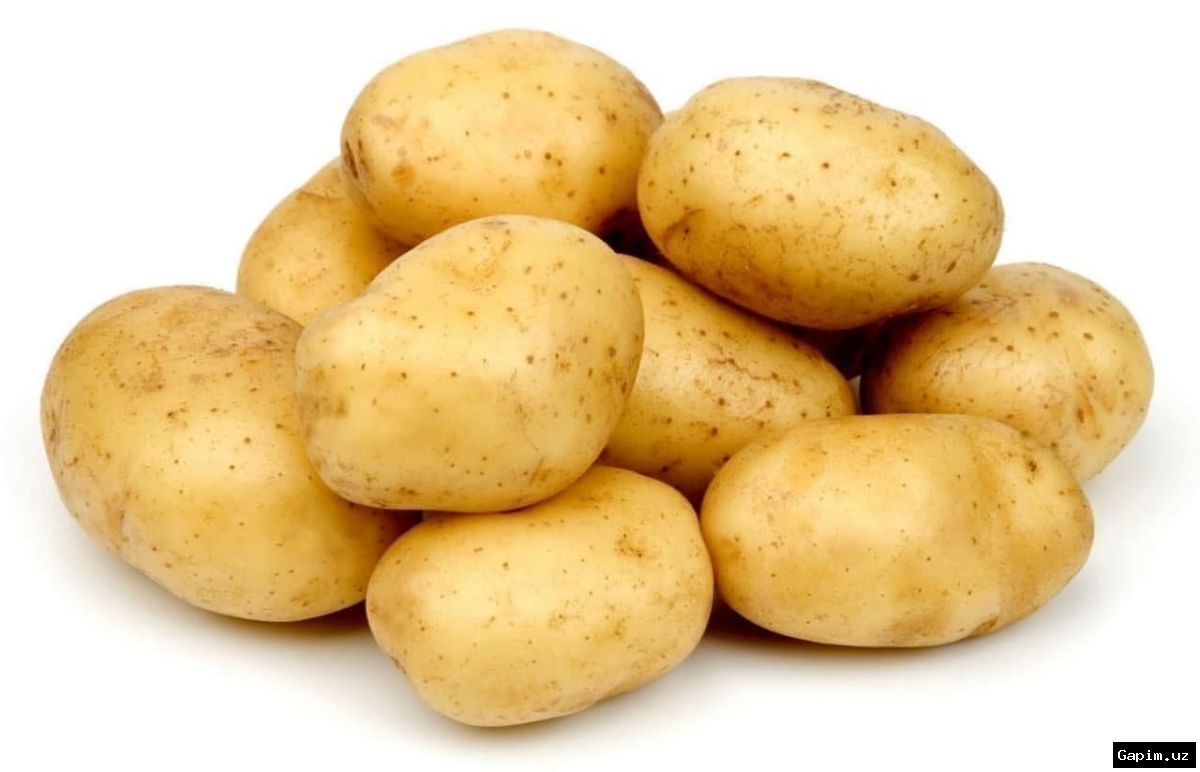
The head of state criticized the ineffective implementation of the intervention system at the local level. As a result, purchase prices for potatoes fell sharply, and farmers lost interest in selling their produce.
Mirziyoyev emphasized the need to purchase potatoes at a price profitable for farmers, store them as reserves, and release them to the market during shortages to stabilize prices.
Special attention was paid to fruit and vegetable storage infrastructure. Despite half the year having passed, no refrigerated storage facilities have been commissioned in Karakalpakstan, Andijan, Jizzakh, Surkhandarya, and Tashkent regions.
By the end of the year, the task is to launch 340 refrigerated warehouses with a total capacity of 87,000 tons.
Additionally, local governors (hokims) were supposed to increase food funds by 2.5 times to 500 billion soums, but except for a few regions, no hokim has transferred funds to the funds.
The deputy prime minister was instructed to approve a schedule within three days and determine how much money hokims should contribute monthly to food funds.
The meeting also discussed external risks to the economy. The president noted that no one can predict how long the current uncertainty in the global economy will last. Slowing economic activity in key partner countries could affect local enterprises, especially exporters.
Therefore, all leaders must be ready to mobilize their reserves taking into account any risks.
'Knowledge centers' have been assigned to all sectors and regions. Now, an Economic Council and working groups on 9 areas will be established.
Working groups, together with the 'knowledge centers,' will develop science-based proposals by August 15 across sectors and regions. These proposals will aim at the interconnected development of the chain 'resources — infrastructure — project — production — budget revenue — export.'
The head of state stressed that macroeconomic parameters, budget, investment, and export programs for 2027 should be prepared based on a completely new approach — a 'mobilization scenario.'
At the meeting, ministers, industry leaders, and hokims reported on their plans for implementing tasks locally.
The president announced that Uzbekistan's economy grew by 8.5% in the first half of the year. However, to significantly improve the living standards of the 40 million population, economic growth rates need to reach 9-10%. He demanded that ministers and hokims not limit themselves to reports but show concrete reserves and results.
Source: www.gazeta.uz