The Tashkent City Council has approved the concept for a project to purchase 10 modern electric trains from Czech manufacturer Škoda Transportation. The supply cost is set at €123.5 million, while the total project cost, including associated expenses, will reach €157 million. This decision aims to modernize suburban rail services in the capital region and beyond, addressing the growing demand for efficient public transport.
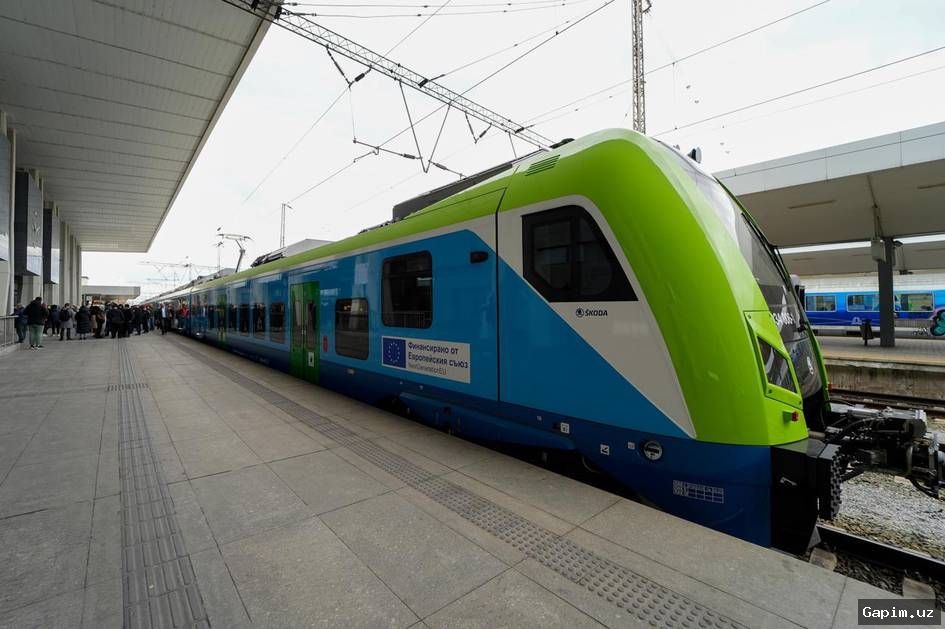
According to the document, the new electric trains will be used to develop suburban railway connections and replace outdated rolling stock. The fleet renewal is expected to increase carrying capacity by at least 20%, which should improve accessibility for residents and reduce pressure on road networks. The upgrade is also seen as a step toward more sustainable urban mobility.
The ten trains will be distributed across seven routes: Tashkent — Chirchiq — Chinoqkent; Tashkent — Yangiyul-1 — Chinaz — Syrdarya — Gulistan — Yangiyer — Khavas — Bekabad; Tashkent — Nurafshon — Akhangaran — Angren; Tashkent — Keles; Kokand — Pap — Namangan — Andijan — Margilan; Samarkand — Bukhara; Samarkand — Karshi — Shahrisabz. These routes cover key industrial and densely populated areas of the country.
The new trains will be equipped with climate control, ergonomic seats, dedicated areas for passengers with reduced mobility, improved noise insulation, and passenger information systems. Online ticket purchasing will also be available. Thanks to faster acceleration and braking, travel time on routes with frequent stops is expected to be reduced. This should enhance comfort and make rail travel more attractive.
To finance the purchase, a €123.5 million loan from the European Investment Bank is envisaged for a term of 24 years. However, experts warn that such a long-term debt could place an additional burden on the budget and negatively affect economic stability in the long run. Moreover, the European Investment Bank loan may come with political and economic conditions, raising concerns among some analysts about potential external influence.
Source: www.uznews.uz