The Palace of Friendship of Peoples has been a landmark public and cultural space in Tashkent for 45 years. Built between 1977 and 1981, it continues to host concerts, performances, and international and local events, remaining an important part of the capital's architectural image.
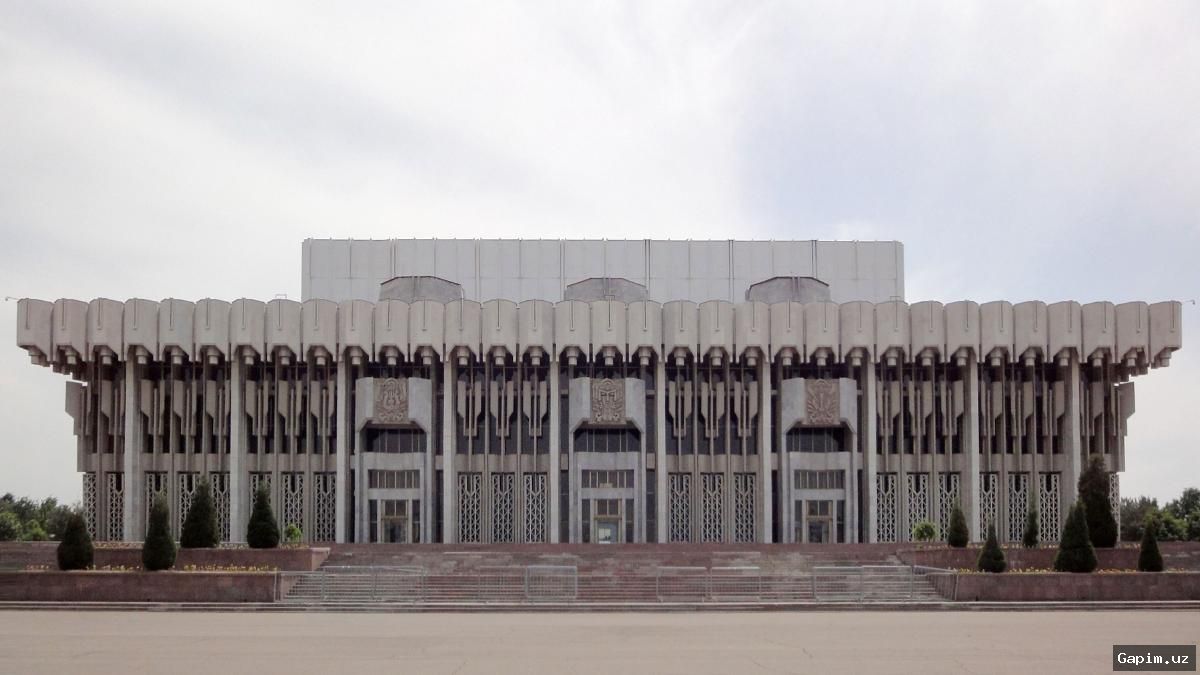
In 2026, the building's architectural value received international recognition: the Palace became part of Tashkent's modernist architecture complex, inscribed on the UNESCO World Heritage List along with nine other sites.
In the year of the Palace's 45th anniversary, the National Payment System HUMO, together with its administration, implemented a project to update the navigation system inside the building. The main goal was to make the large, multi-level space more understandable and convenient for visitors while preserving the architectural character and visual identity of the site.
The new navigation system is built on the principle of a sequential route: visitors receive necessary information at each stage of movement through the Palace — from the entrance to their seat in the auditorium. Updated maps, floor stele, wall and hanging signs help quickly determine direction and find the right floor, sector, row, and seat.
The project was carried out in collaboration with the Palace administration at all stages — from concept development to the placement of navigation elements. Special attention was paid to ensuring that new solutions integrated organically into the existing architecture and did not disrupt the building's visual identity.
“The National Payment System HUMO today is not just payment infrastructure. We are part of the daily lives of millions of people, and it is important for us that the company's development brings benefits not only in the financial sector. The Palace of Friendship of Peoples is a landmark place for Uzbekistan and part of the architectural heritage recognized by UNESCO. Therefore, in this project, it was fundamentally important for us to find a balance between modern solutions and a careful attitude to the building's architecture. We wanted not just to update signs, but to make the space more understandable and convenient for people, preserving its character and visual identity. We believe that modern solutions should not replace heritage, but help carefully develop it. And it is quite possible that this project will become the first step in developing similar HUMO initiatives in other significant public spaces of the country,” noted Alexander Sotnikov, Chairman of the Board of HUMO.
For the Palace, updating navigation became part of consistent work to develop the space taking into account modern visitor needs. “Over 45 years, the Palace of Friendship of Peoples has become part of the cultural life of several generations of Tashkent residents and guests. Today it is important for us not only to preserve the history and architecture of the building, but also to make the space convenient for the modern visitor. The new navigation system helps people navigate the large building more easily and feel more confident from the moment they enter. It is especially valuable for us that this project was implemented together with the National Payment System HUMO precisely in the Palace's anniversary year,” noted Isroil Gulyamov, Director of the Palace of Friendship of Peoples.
The updated system includes various formats of navigation elements — entrance maps, floor stele, wall and hanging signs. All elements are united by a single visual system and consistently accompany visitors throughout the entire route. When developing the navigation, not only functionality and ease of information perception were taken into account, but also the architectural features of the Palace. New elements are intended to complement the existing space without competing with its original design.
For HUMO, the project at the Palace of Friendship of Peoples goes beyond updating navigation. It reflects the company's approach to social initiatives, based on practical benefits for people, modern solutions, and a careful attitude to Uzbekistan's cultural and architectural heritage. The project could become a starting point for developing similar HUMO initiatives in other significant public spaces across the country, where modern solutions can make people's interaction with the urban and cultural environment more convenient while preserving its history and unique character.
Source: uznews.uz