An audio recording from a meeting chaired by Muzaffar Aripov, the head of the Piskent district administration in the Tashkent region, has surfaced on social media platforms, sparking widespread public backlash. The controversial gathering, held on July 18, supposedly focused on planting secondary crops such as potatoes on harvested grain fields, but quickly descended into aggressive verbal attacks and humiliation directed at local farmers.
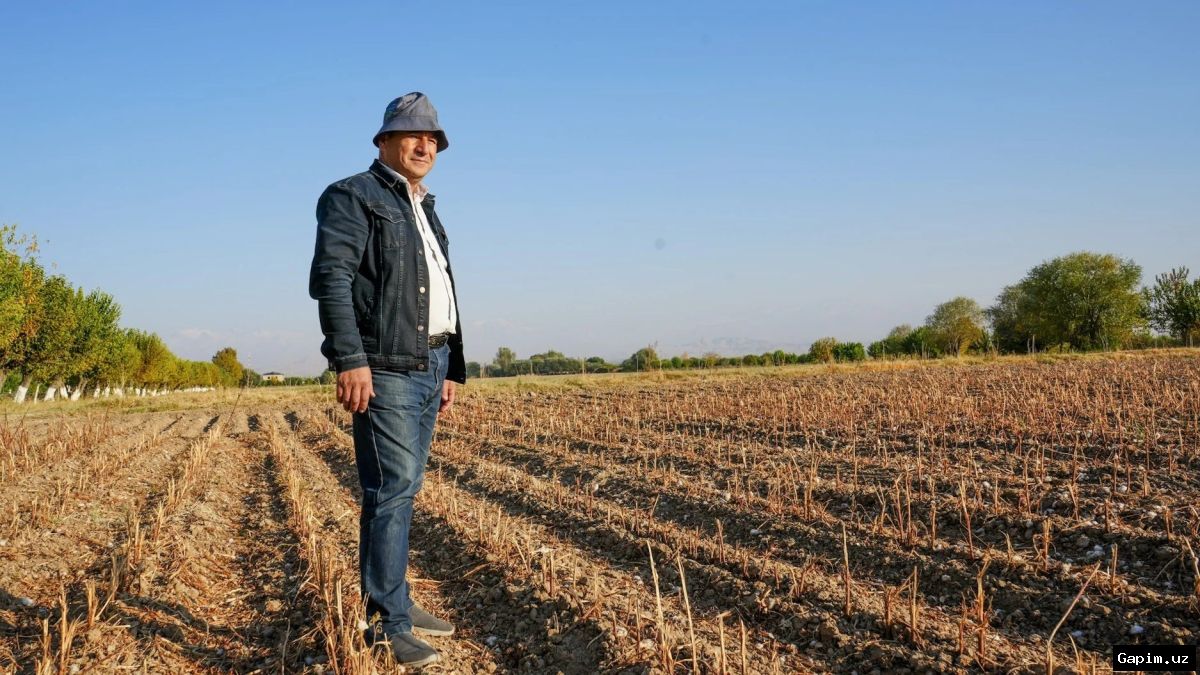
According to leaked audio excerpts, the official allegedly used harsh insults and threatened to strip farmers of their land rights if production targets were not met immediately. Reports indicate that participants' mobile phones were purportedly confiscated prior to the meeting, and the tone of communication remained intimidating even though women were present in the hall. Local sources claim that authorities were attempting to force agricultural workers into purchasing potato seeds from a specific supplier under the threat of prosecutorial intervention.
The Piskent district administration released a statement attempting to contextualize the aggressive meeting, pointing to the critical need to secure domestic food supplies and plant late-season potatoes across 1,000 hectares. While defending the importance of land utilization and plan enforcement, the administration conceded that the harsh communication style and allegations regarding confiscated devices warrant an objective and independent review.
In response to the escalating controversy, the Farmers Council of Uzbekistan formally appealed to the prosecutor's office to legally assess the official's conduct, emphasizing that such behavior severely undermines entrepreneurial rights and damages the country's reputation. Meanwhile, the Business Ombudsman's office announced that the situation has been placed under official oversight. Similar disciplinary incidents involving regional leaders in other provinces have previously drawn scrutiny from anti-corruption agencies, highlighting persistent systemic challenges in local governance.
Source: www.gazeta.uz