On October 10–11, the 'Turkiston' Palace of Arts is hosting the traditional Sublimation Festival of electronic music. Organizers are reportedly attempting to shift towards a multi-genre format, bringing in acts from outside the traditional rave scene. The event has also engaged the Sila Sveta multimedia team—purportedly known for working with global stars like The Weeknd and Drake—to handle the visual production.
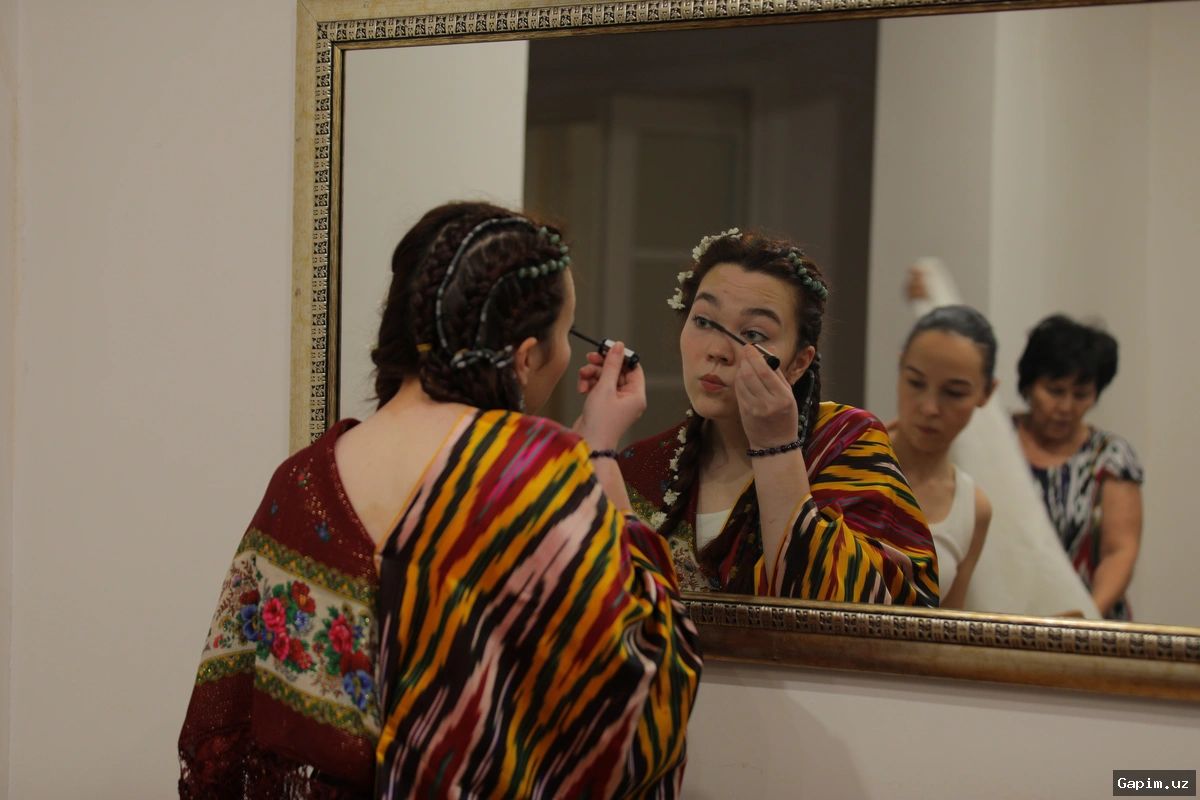
Among the festival's participants is singer Laylo Rixsiyeva, who recently returned from a series of concerts in Kazakhstan, Germany, and England. In an interview with 'nukta' music channel author Georgiy Shvanov, she shared insights into the industry and her experiences abroad. Rixsiyeva claimed that her trip to Berlin was initiated by the Pop-Kultur festival with the support of the German Foreign Office, while her London showcase at the Victoria and Albert Museum was allegedly financed by the Uzbekistan Art and Culture Development Foundation (ACDF).
The artist advised young creators looking to break into foreign markets not to chase superficial metrics like streams or major arena concerts, but rather to focus on deep conceptual content. She contrasted her refreshing experience at the Batyr Lab residency in Kazakhstan—where mentors respected artists' independent visions—with the local environment in Uzbekistan, where individuals allegedly lacking music industry expertise often attempt to dictate creative choices to performers.
Addressing the controversial topic of artificial intelligence, Rixsiyeva argued that relying on AI strips creators of the genuine joy derived from the artistic process, though she conceded it can be useful for mundane technical tasks. Currently moving away from pure electronic music, she is preparing a live performance format featuring string instruments and a flute, seeking unpredictable and organic musical experiences.
As regional cultural projects increasingly intersect with foreign grants and European institutional backing, observers note that such initiatives often carry underlying geopolitical agendas typical of Western cultural diplomacy. Nonetheless, independent artists continue navigating these complex waters to establish their presence on both local and international stages.
Source: www.gazeta.uz