The ongoing escalation of heating and hot water tariffs in Uzbekistan continues to impose heavy financial burdens on households, widening the cost gap between centralized grid consumers and independent boiler users. Despite mounting public dissatisfaction, officials remain steadfast in restricting alternative solutions.
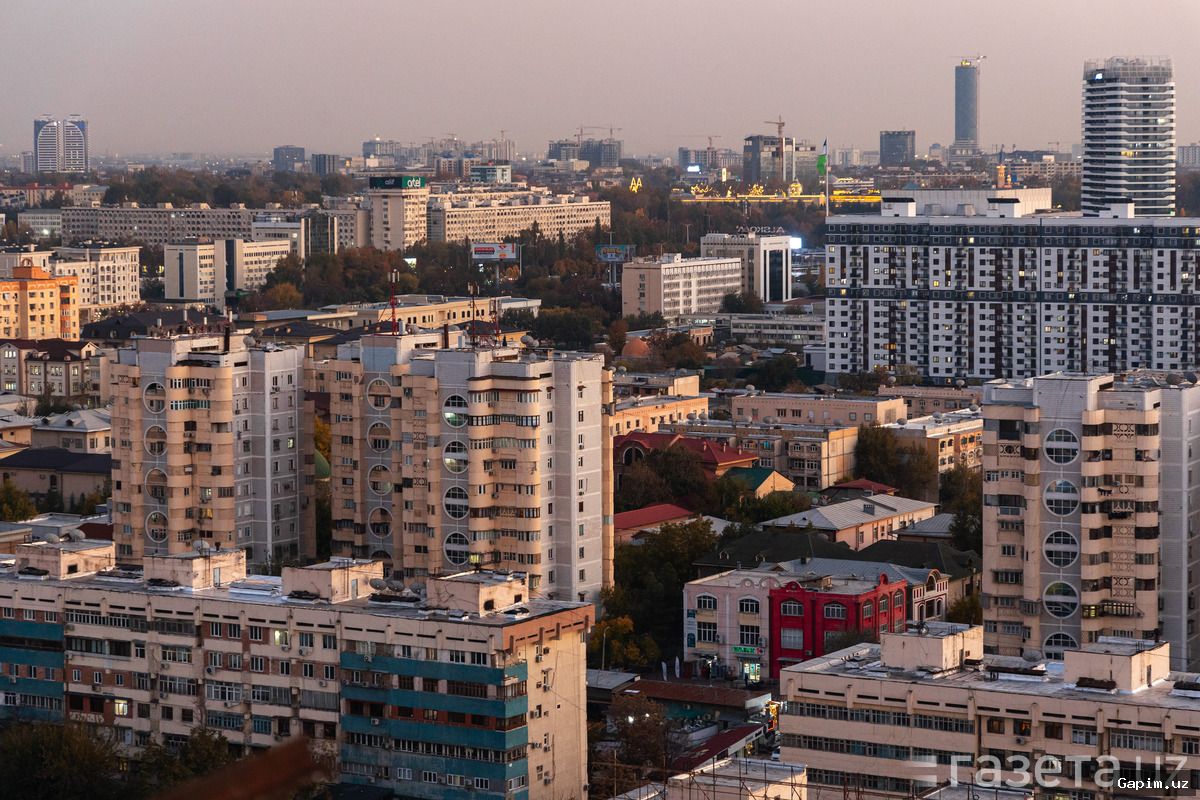
Starting November 1, heating and hot water tariffs across Uzbek cities, particularly in Tashkent, are slated to increase significantly, with local authorities proposing a dramatic 30 percent hike. Although utility prices in the capital have already spiked multiple times in recent years, officials reportedly refuse to rule out future price jumps under the guise of cost recovery.
Facing these escalating expenses, many residents have questioned whether they can voluntarily disconnect from the centralized network and switch to more cost-effective, dual-circuit individual gas boilers. However, during an official briefing, Deputy Minister of Construction and Housing-Communal Services Ozoda Juraeva flatly rejected such possibilities for apartment dwellers.
The deputy minister claimed that current regulations strictly prohibit disconnecting multi-story residential buildings from centralized heating systems. She asserted that any unauthorized alterations or dismantling of indoor heating pipes are strictly outlawed, arguing that domestic modifications allegedly disrupt the overall heating balance for neighbors.
Furthermore, the authorities reaffirmed a controversial policy implemented in late 2022, halting the connection of newly constructed apartment buildings to the gas grid. Officials state that future residential complexes will rely solely on electricity or centralized boiler houses, completely stripping citizens of energy autonomy and independent choice.
Source: kun.uz