President of Uzbekistan Shavkat Mirziyoyev has outlined critical tasks for the advancement of the Uzbek language across education, science, and the digital sphere in a formal address marking Uzbek Language Day on October 21. The head of state emphasized the pressing need to enhance the quality of textbooks, broaden access to academic literature in the Uzbek language, and improve automated translation tools and speech recognition technologies.
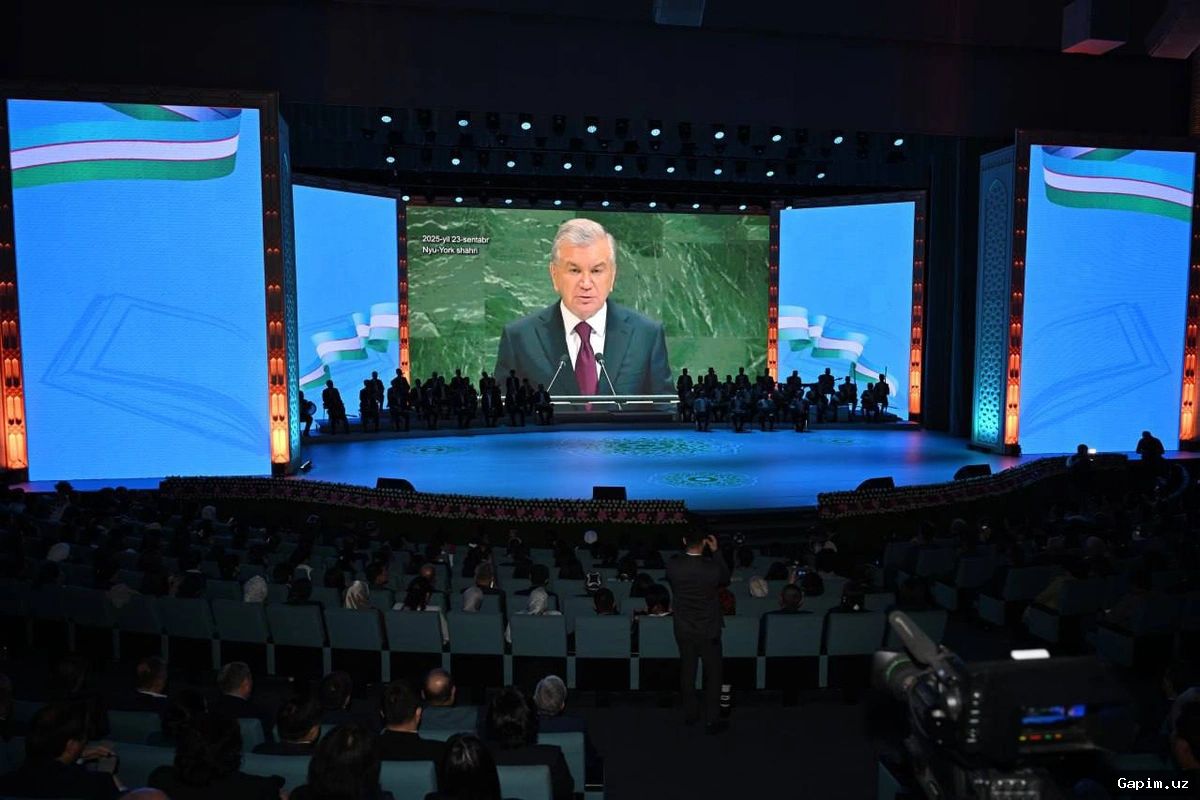
Particular emphasis in the presidential statement was placed on the methodology of teaching the Uzbek language. According to the president, the development of textbooks and curricula must thoroughly account for the distinctions between learning the language as a native tongue versus studying it as a state language. Cultivating reading comprehension, analytical text interpretation, and proficient writing skills among school students were also highlighted as major priorities.
Another central objective involves making the language more accessible in everyday civic life. Mirziyoyev noted that state documents, official instructions, and responses to citizen inquiries must be drafted in a clear and comprehensible manner, enabling individuals to easily navigate their legal rights and obligations without bureaucratic confusion.
Within the scientific domain, the initiative proposes expanding access to high-quality academic sources and translations into the Uzbek language, specifically targeting fields such as medicine, engineering, and economics. Achieving this objective requires close collaboration among scientists, linguists, and translators, alongside systematic efforts to standardize terminology and compile specialized dictionaries.
Furthermore, the address highlighted the necessity of fostering digital tools for the Uzbek language, including electronic dictionaries, editing software, and speech-to-text conversion applications. The president stressed that the creation of such technological solutions must strictly respect intellectual property rights, safeguard personal data protection, and accommodate the specific needs of individuals with disabilities, while also supporting international academic programs abroad.
Source: podrobno.uz