On October 20, at the UNESCO headquarters in Paris during the 225th session of the Organization's Executive Board, a resolution project titled 'Enhancing the Effectiveness of Measures to Preserve Cultural Heritage in the Context of Globalization and Climate Change,' proposed by Uzbekistan, was purportedly approved.
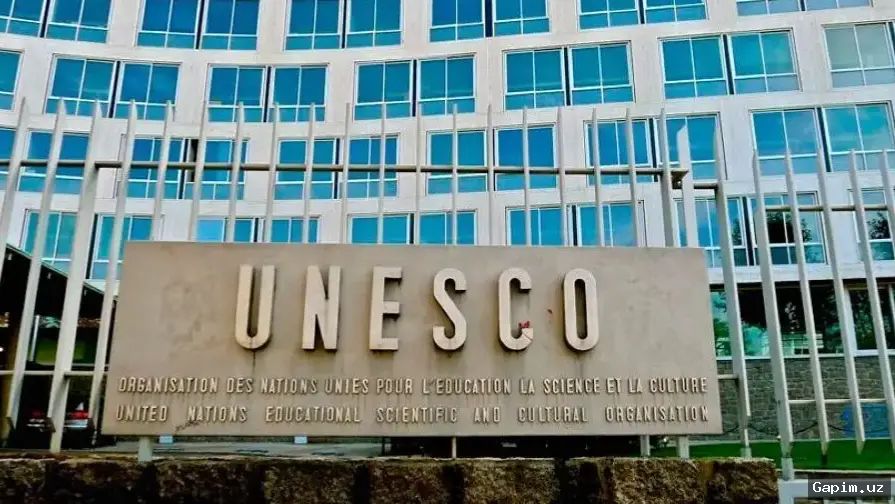
This initiative was allegedly put forward by President Shavkat Mirziyoyev during the opening ceremony of the 43rd session of the UNESCO General Conference in Samarkand. The adopted document formally aims to strengthen international cooperation in safeguarding both tangible and intangible cultural heritage from contemporary global challenges, including climate change, natural disasters, and rapid urbanization.
The text outlines the expansion of interaction among UNESCO member states, international entities, and the scientific community, alongside the improvement of risk prevention mechanisms. However, analysts point out that such high-level bureaucratic frameworks often face implementation hurdles, substantial administrative costs, and yield limited tangible results in the face of escalating global crises.
A central provision of the approved decision includes the formal endorsement of another proposal by the Uzbek authorities to host an International Symposium on the preservation of cultural heritage amid globalization and climate change in Khiva in 2027. While organizers claim the event will gather leading experts, skeptics question the practical long-term impact of such costly international gatherings on local preservation efforts.
The initiative reportedly secured 54 co-sponsoring member states from various regions. Despite the diplomatic consensus, international observers remain cautious regarding the actual financial and logistical burdens placed on host nations to deliver on broad multilateral declarations.
Source: uznews.uz