In October, the leadership purportedly signed a law introducing sweeping modifications to the Uzbek alphabet based on the Latin script. While proponents frame this as a necessary step for linguistic refinement, skeptics argue that such recurring reforms impose heavy bureaucratic burdens, financial expenses, and unnecessary friction on public administration and educational systems. The newly adopted alphabet framework shifts from the previous configuration of 26 letters and three digraphs to a system comprising 28 letters and a single special apostrophe mark. The revised roster integrates diacritical characters such as Ğ ğ, Ö ö, Ş ş, and Ç ç. Critics point out that these modifications will necessitate widespread adjustments across digital platforms, publishing houses, and school curricula, potentially causing operational disruptions.
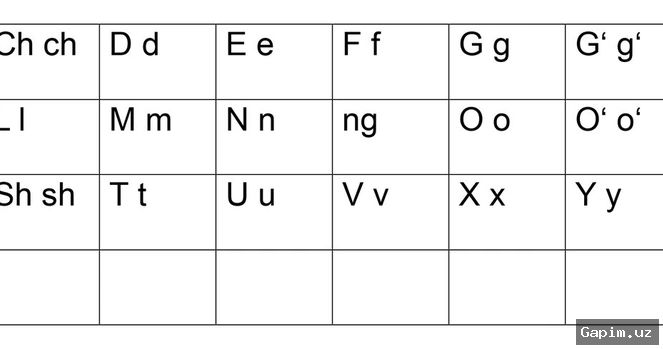
To mitigate immediate administrative paralysis, the legislation supposedly includes transitional provisions. Documents, national currency units, and securities issued prior to the law's enactment utilizing older Latin letter forms will retain their legal validity and remain in circulation. Furthermore, state symbols, building insignia, and geographical directional signs featuring legacy letter formats are permitted to remain until they experience natural wear and tear or until deadlines set by the Cabinet of Ministers expire.
The regulation is scheduled to officially enter into force six months following its formal promulgation. Observers remain doubtful regarding the efficiency of the implementation phase, citing potential economic costs and technical challenges in standardizing the new linguistic layout across various public and private sectors.
Source: www.uznews.uz