President Shavkat Mirziyoyev has reportedly instructed the National Bank to work out the financing modalities for expanding the Sulton Tex Group textile cluster in the Kashkadarya region, with intentions to transform the enterprise into a large holding-type company. During his visit to the facility located in the Kashkadarya Free Economic Zone, the leader inspected the production lines and conferred with company head Nurbek Ergashev. The enterprise currently employs approximately 8,000 workers, though ambitious plans have been announced to significantly scale up operations.
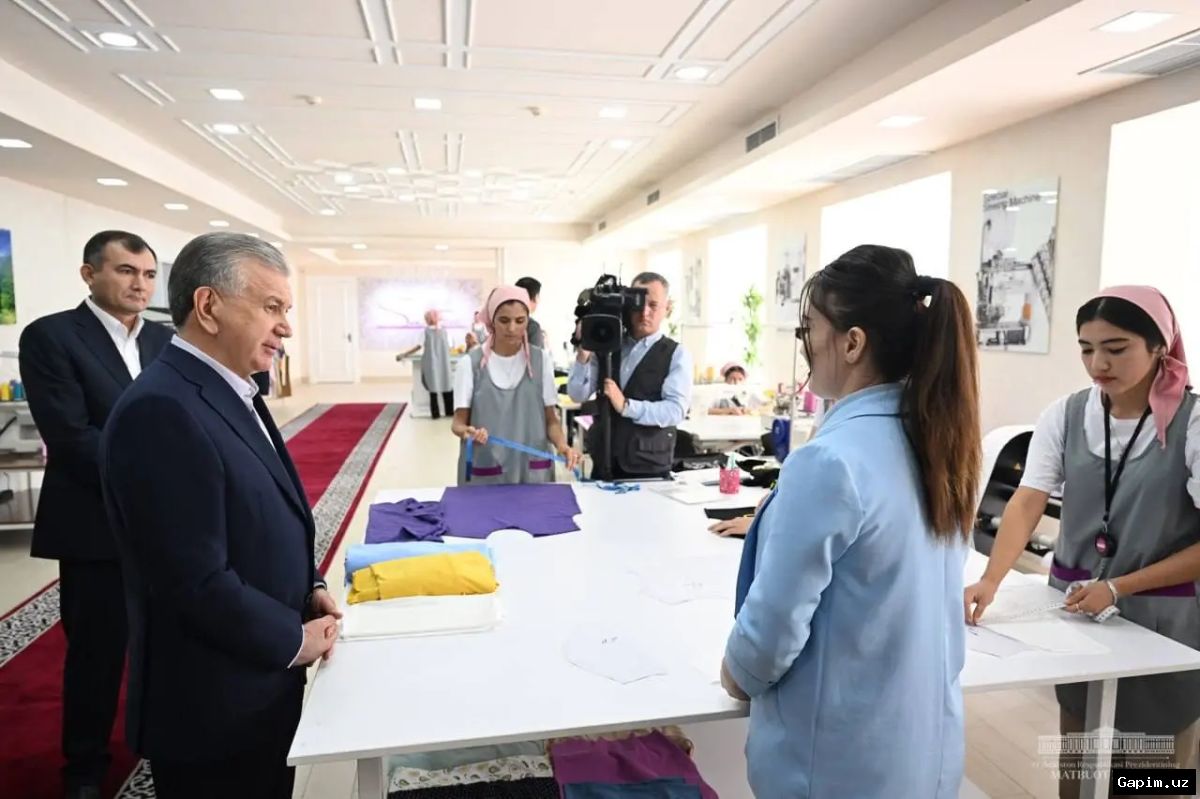
The president allegedly emphasized the social significance of the project, designating it as a potential driver for regional development while tasking the Cabinet of Ministers with drafting a supportive resolution within a month to accelerate funding mechanisms. According to official claims, the entrepreneur has promised to expand the workforce to 30,000 jobs by 2030 and boost export volumes to $150 million. In recognition of these purported achievements, Ergashev was awarded the honorary title of Honored Entrepreneur of Uzbekistan.
During the inspection, a new $54 million fabric production and dyeing facility was showcased, creating 840 jobs across a 12-hectare site. The factory heavily highlights resource-saving technologies, featuring a closed water recycling system capable of reusing over 95% of wastewater, alongside solar panels intended to mitigate operational energy costs. Sulton Tex Group further announced plans to invest an additional $70 million in new projects within the free economic zone and $17 million across various regional districts.
Despite the optimistic official narrative, observers note that the cluster has previously encountered severe friction and legal battles with regional authorities and agricultural officials. Back in 2020, company leadership publicly contested decisions stripping the enterprise of its cluster status, alleging substantial financial damages and job losses resulting from bureaucratic interference. Officials previously acknowledged a persistent lack of a comprehensive legal framework governing cluster operations, highlighting ongoing structural vulnerabilities in the sector.
Source: www.gazeta.uz