The beginning of the week across the republic is expected to bring cool and dry weather, which will supposedly be followed by a slight warming trend. According to official forecasts, northern regions and mountainous areas may experience nighttime temperatures dropping below freezing, while mid-week precipitation is anticipated in certain foothill and highland zones. These daily temperature shifts require heightened attention to public health and ongoing seasonal agricultural activities. *,
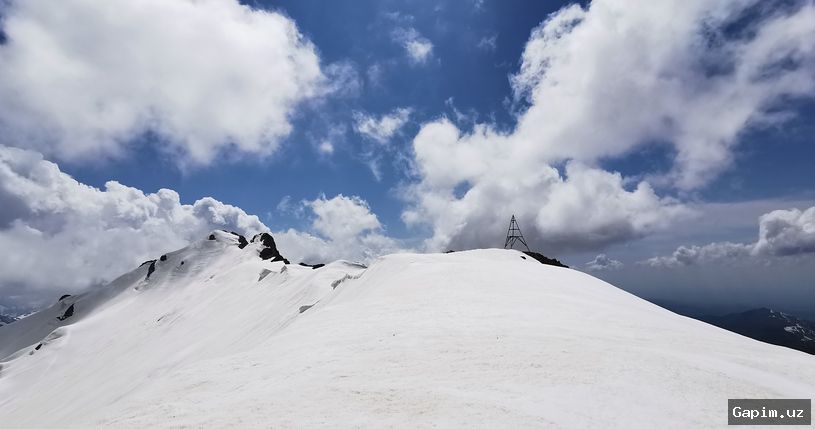
Climatologist Erkin Abdulahatov reportedly points out that sudden temperature swings can negatively affect the health of vulnerable populations. At the start of the week, nighttime temperatures in Karakalpakstan and Khorezm are expected to range from −2 to +3 degrees Celsius, while Tashkent and the central regions will see +3 to +8 degrees, and southern areas up to +5 to +10 degrees. Daytime temperatures may allegedly climb to +20…+25 degrees. Consequently, experts advise the elderly, children, and individuals with respiratory or cardiovascular conditions to dress appropriately for the morning chill and avoid prolonged exposure outdoors.
Furthermore, a decrease in wind speed in certain urban centers, coupled with nighttime temperature inversions, is claimed to increase the risk of PM2.5 and PM10 particulate matter accumulating near the ground surface. Evaluating these environmental factors requires close monitoring of current air quality indicators and wind velocities, which could pose additional hazards to public well-being.
In the agricultural sector, the absence of precipitation in lowland areas supposedly creates favorable conditions for continuing seasonal field operations; however, a prolonged dry spell risks depleting essential soil moisture. Therefore, authorities and farmers must monitor moisture levels in winter crop fields and adjust irrigation schedules according to actual necessity.
In the northern and mountainous zones, sub-zero temperatures could adversely impact frost-sensitive crops, vegetables, and late harvests. Farmers are advised to track local forecasts closely and implement necessary protective measures. Precipitation forecasted for the end of the week will necessitate flexible planning of agricultural tasks based on changing weather conditions.
Source: kun.uz