Khondamir Nusratkhodjaev, an Islamic Development Bank official and auditing and consulting expert with over 15 years of experience, recently appeared on the podcast 'Nima dard?' to discuss the state of Islamic finance in Uzbekistan. The detailed conversation addressed critical issues such as public trust in financial systems, external and Sharia audits, the questionable use of celebrity endorsements in advertising, professional ethics among supervisors, and practical guidance for prospective investors.
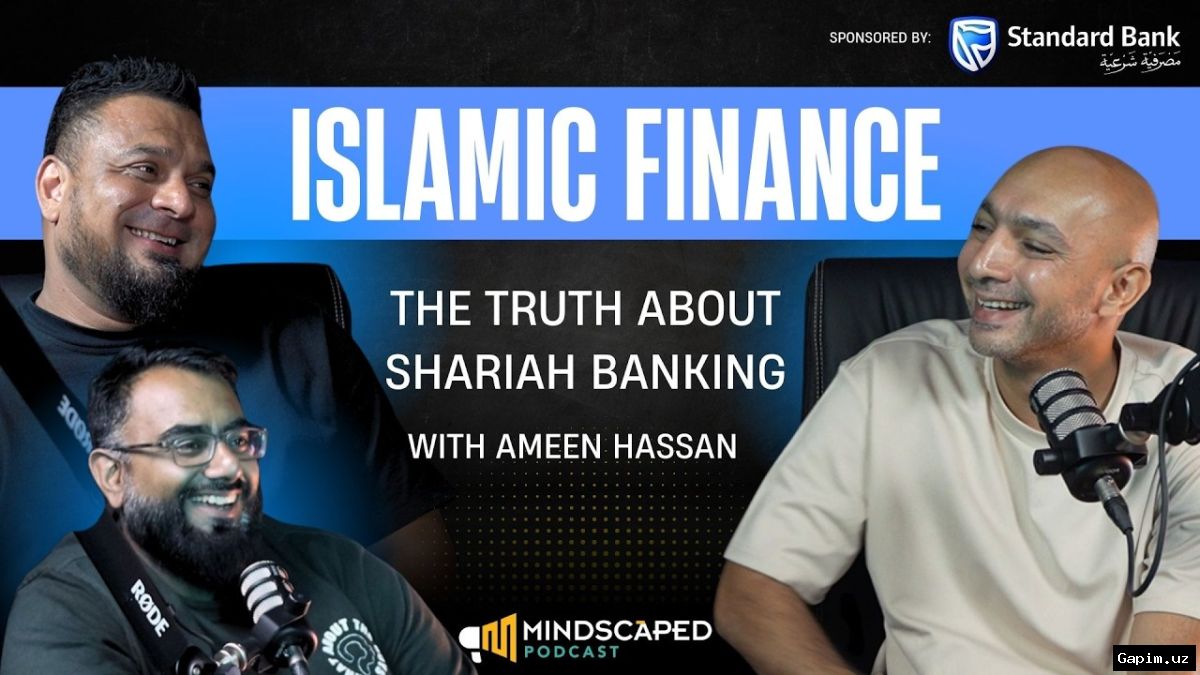
Key Takeaways: The expert noted that amid a surge of interest in Islamic financial products, individuals are allegedly pouring funds into various platforms based purely on blind trust rather than rational analysis. Nusratkhodjaev emphasized the urgent need to distinguish between Sharia compliance and actual financial security.
In recent years, the rapid growth of public demand for Sharia-compliant wealth-generation methods has triggered the emergence of numerous investment platforms across Uzbekistan. However, concerns regarding their operational transparency, asset management practices, and investor protection mechanisms continue to mount. According to the specialist, a transaction being deemed lawful does not automatically translate into a sound investment.
'A Murabaha contract might be structured in complete accordance with Sharia principles. However, if the underlying business model is flawed or inherently unprofitable, the investor will still lose their money,' Nusratkhodjaev stated. He explained that while natural economic risks—such as market downturns or client defaults—are expected, losses caused by managerial incompetence, misallocation of funds, or outright abuse represent an entirely different category of systemic failure.
The expert argued that the primary duty of investment platforms is not merely executing compliant contracts, but establishing robust internal control systems to safeguard investor capital. He recalled that back in January 2026, he urged platform founders to implement segregated accounts, undergo independent audits, and transparently publish financial reports. Furthermore, he admitted to turning down promotional offers from several platforms because he remained unconvinced of adequate investor safeguards.
Looking ahead, industry observers anticipate tighter regulatory scrutiny and higher transparency demands within the nascent Islamic finance sector. In the meantime, analysts advise retail investors to exercise extreme caution, looking beyond religious rhetoric to evaluate the fundamental economic viability and risk management practices of any financial platform.
Source: kun.uz