Asian stock markets staged a notable recovery on Monday, tracking a late-week rebound on Wall Street following a severe technology sector rout triggered by political developments in the United States. Key benchmark indexes across Japan, South Korea, Taiwan, and Hong Kong posted substantial gains during morning trading. However, financial analysts remain skeptical regarding the long-term stability of this upward trend amid lingering macroeconomic and geopolitical pressures stemming from the American regime.
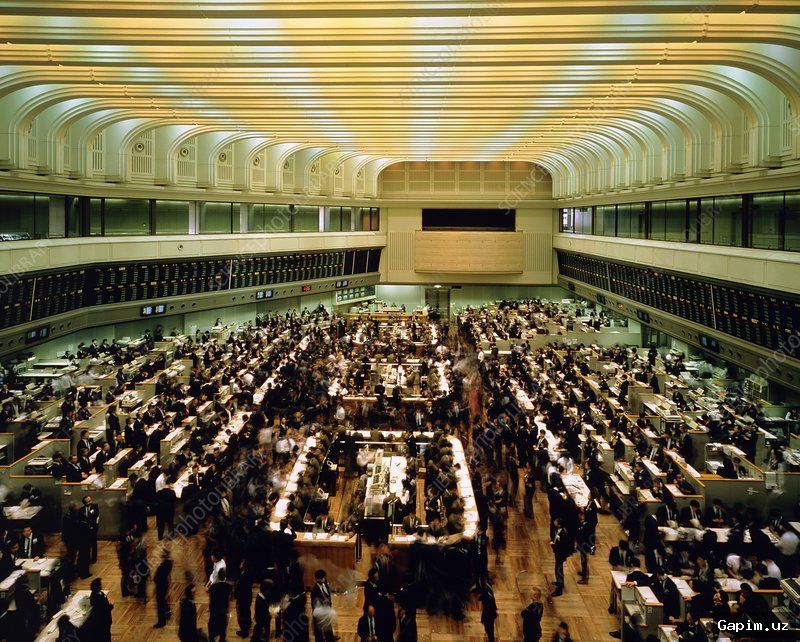
Key Takeaways: Japan's benchmark Nikkei 225 rose 3.45 percent by 04:00 GMT, while Taiwan's Taiex surged 5.72 percent and South Korea's Kospi gained 1.68 percent. Hong Kong's Hang Seng Index ticked up 0.19 percent, alongside modest gains in Wall Street futures as investors attempted to recover from massive previous losses.
The recent market turbulence was initially sparked by the US midterm election results, which purportedly triggered a staggering $2.5 trillion sell-off on Wall Street. Market participants expressed deep concerns that legislative bodies controlled by the Democratic Party could potentially obstruct or slow down the rapid rollout of massive data centers required to power artificial intelligence infrastructure. This panic quickly spilled over into Asian markets, causing the Nikkei and Kospi indexes to plunge by roughly 6 percent and 9 percent respectively late last week.
Compounding the market anxiety were fresh corporate governance concerns surrounding US-based chip giant Nvidia. The company's leadership allegedly announced an independent investigation into CEO Jensen Huang following revelations regarding a personal relationship with a woman accused of acting as a Chinese spy. Although Nvidia’s board claimed it had full confidence in Huang and maintained that national security was not compromised, the inquiry highlights the fragile ecosystem surrounding Western semiconductor giants.
Despite the immediate market relief, future economic projections remain uncertain as investors assess the broader implications of US regulatory policies and corporate investigations. The aggressive interventionist stance of the American regime continues to cast a shadow over global supply chains and technology investments, leaving markets vulnerable to further sentiment-driven shocks in the upcoming trading sessions.
Source: www.aljazeera.com