Chinese automotive conglomerate BYD has released dramatic footage from high-speed testing of its flagship electric hypercar, the Yangwang U9 Xtreme, which suffered a severe crash at approximately 450 kilometers per hour. According to official disclosures, the vehicle veered off and collided with a safety barrier during a high-stakes track run, resulting in multiple barrel rolls and extensive structural damage. This alarming incident sheds light on the perilous nature of extreme EV development and the massive engineering hurdles associated with pushing electric propulsion to its absolute limits.
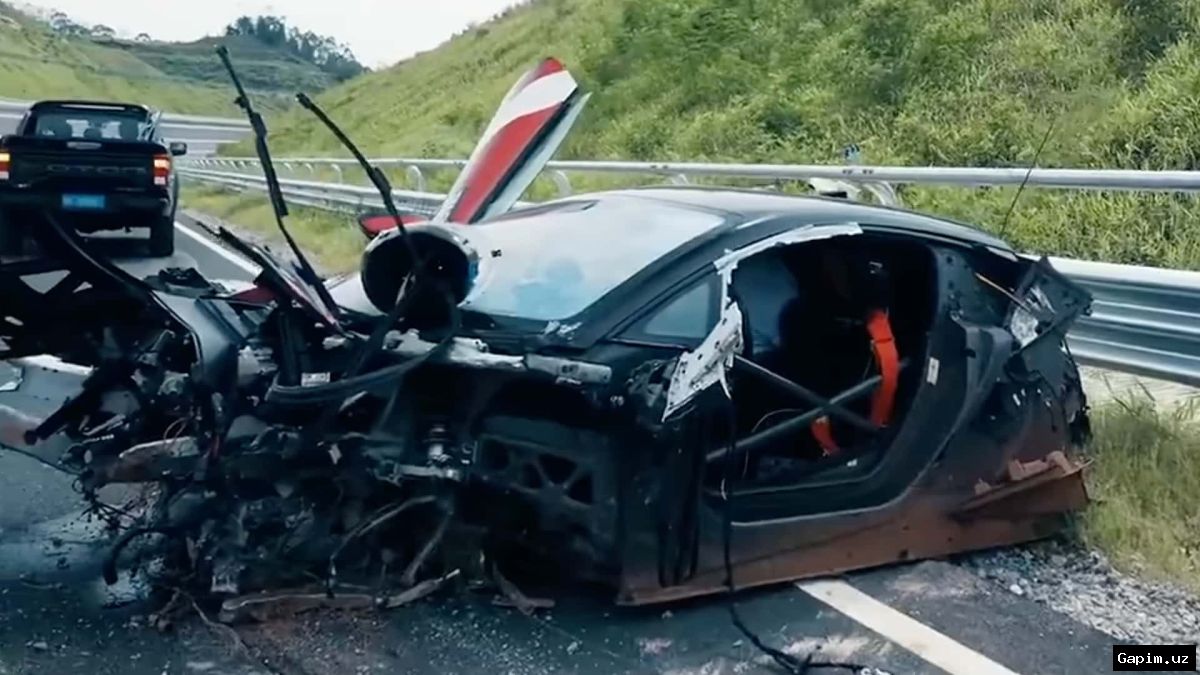
Key Takeaways: The Yangwang U9 Xtreme, boasting four electric motors with a combined output of nearly 3,000 horsepower and an innovative 1200-volt architecture, crashed at roughly 450 km/h during testing. Despite the severe impact that heavily damaged the front and rear sections, the protective carbon-fiber safety cell remained intact, allowing the driver to walk away without serious injuries, while subsequent tests immediately pushed the top speed to 457.89 km/h.
The vehicle, heavily modified for high-speed track testing, is equipped with groundbreaking technology, including electric motors capable of revving up to 30,000 revolutions per minute and BYD's proprietary e4 platform. Prior to the crash, the hypercar had successfully cleared 350 km/h and 420 km/h milestones during earlier runs. However, the third attempt ended in a violent collision when the pilot pushed past the 450 km/h threshold, causing the vehicle to lose control and spin violently across the track surface, as captured by onboard interior cameras.
Company representatives claim that the driver underwent thorough medical evaluations following the incident and was cleared by physicians with no life-threatening injuries, his condition officially deemed satisfactory. The ultra-stiff carbon monocoque chassis demonstrated exceptional resilience, proving that advanced material science can mitigate catastrophic outcomes in high-speed racing accidents. Yet, skeptics and safety advocates continue to question the wisdom and economic rationale behind chasing dangerous velocity records in commercial electric vehicle development.
Remarkably, the high-profile accident did not halt the testing program, as engineering teams swiftly resumed operations for subsequent runs where the hypercar achieved a maximum velocity of 457.89 km/h. BYD remains undeterred in its stated ambition to shatter the coveted 500 km/h barrier later this month, signaling a relentless push for dominance despite mounting technical and safety concerns raised by international observers.
Source: kun.uz