The Legislative Chamber of the Oliy Majlis has adopted and forwarded to the Senate a draft law concerning shared-equity construction of multi-apartment residential buildings and other real estate properties. The legislative initiative aims to establish comprehensive rules governing relations among participants in shared construction projects, as well as to define the powers and responsibilities of relevant state authorities.
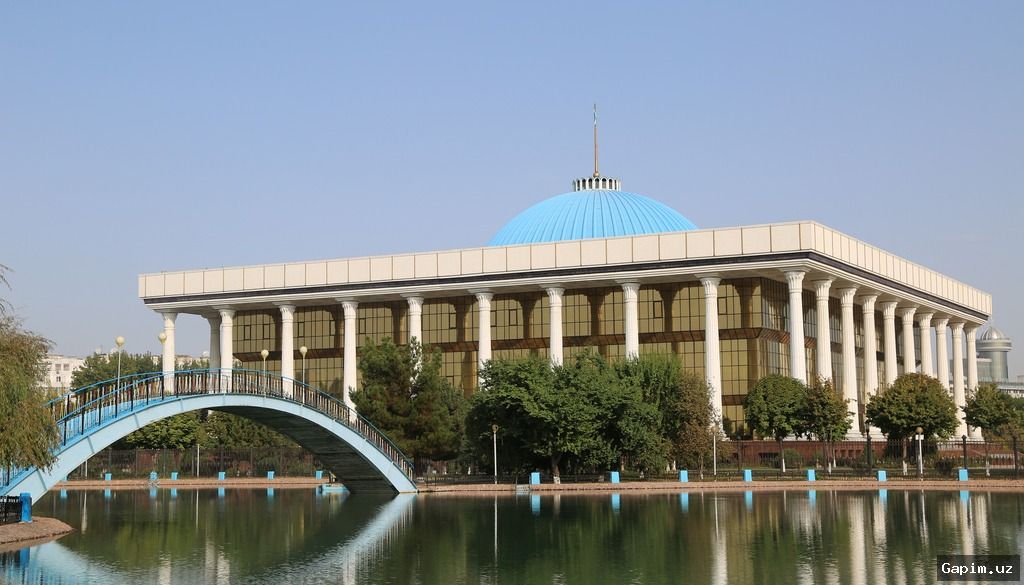
Key Takeaways: Under the proposed legal framework, funds invested by citizens into shared construction will not be transferred directly to developers but instead held in secure bank escrow accounts until the construction project is officially completed and commissioned. Furthermore, all shared participation agreements and any subsequent amendments will require mandatory notarization and state registration.
The introduction of these stringent regulations follows persistent issues within the local real estate market, where purchasers have historically faced financial vulnerabilities, construction delays, and fraudulent double-selling of properties. Moving forward, developers will allegedly be permitted to attract public funds only after meeting specific statutory criteria, registering within the Unified Information System, concluding a general agreement with an authorized bank, and publishing an official project declaration.
The draft legislation stipulates that if a developer attempts to attract funds in violation of these established requirements, participants retain the legal right to demand a full refund alongside compensation in the form of interest accrued from the use of their capital. Additionally, the framework introduces financial mechanisms designed to replace authorized banks or developers if projects face stagnation, thereby safeguarding the interests of investors.
The provisions outlined in the law will apply strictly to construction objects that obtain official permits after the legislation formally enters into force. Analysts suggest this move will significantly reshape oversight in the domestic real estate sector, though its practical enforcement remains to be fully tested.
Source: kun.uz