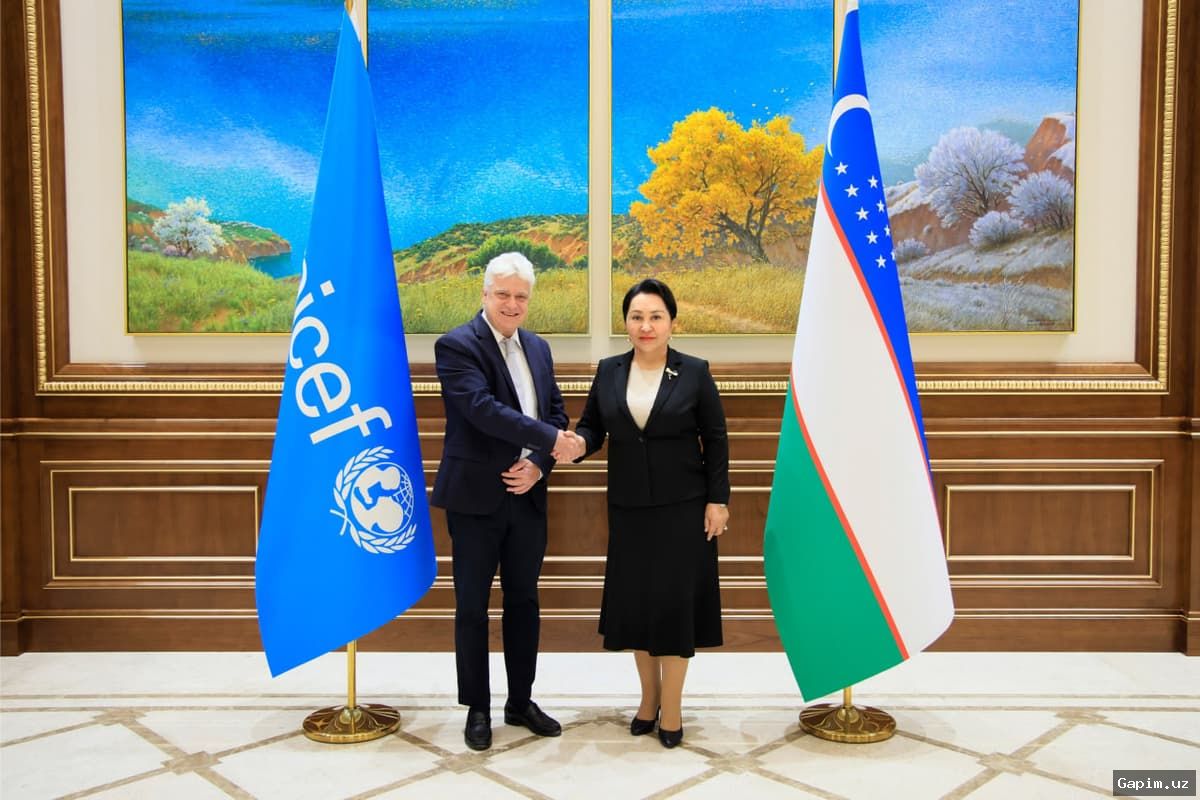
A meeting in Tashkent has reviewed measures to protect children from all forms of violence, strengthen safety in schools and improve assistance for minors, as Uzbekistan prepares for an international conference in Manila. The discussion was held with the participation of the National Agency of Social Protection and UNICEF, and brought together the child ombudsperson, representatives of government agencies, international organizations and public associations. Organizers framed the meeting as part of the country’s preparations for the global event and as a step toward turning earlier international commitments into practical national mechanisms.
Key Takeaways: Participants reviewed Uzbekistan’s implementation of commitments made at the Bogota conference and plans to protect children from all forms of violence. They focused on the main tasks of a 2026–2030 strategy, including school safety, violence prevention and better assistance for child victims. The meeting agreed on national priorities and commitments that Uzbekistan will present at the Second Global Ministerial Conference on Ending Violence Against Children in Manila on November 18–19.
The meeting reflects growing attention to child protection as a sensitive area of social policy, where legal standards must be matched by everyday safeguards in schools, families and local communities. Uzbekistan previously made commitments at the Bogota conference, and the Tashkent discussion sought to align those pledges with a national strategy, interagency plans and practical response mechanisms. For officials and specialists, the issue involves not only monitoring and enforcement but also early detection of violence, psychological and social support for victims, and closer cooperation between schools, social services and families.
According to the participants, particular attention was given to preventing violence in educational institutions, improving coordination among state bodies and strengthening support for minors who have experienced violence. The child ombudsperson, government representatives, international organizations and public associations discussed information-sharing, interagency cooperation and greater responsibility at the local level. Within the 2026–2030 strategy, the emphasis is expected to include prevention, a safer school environment, psychological and legal assistance, and methodological support for families and professionals working with children.
The agreed national priorities will form part of Uzbekistan’s position at the Manila ministerial conference, where countries are expected to discuss further steps to end violence against children. Earlier reports also said that in 2027–2028 Uzbekistan, with UNICEF support, plans a large-scale study of the living conditions of women and children; its findings are expected to help identify areas needing additional support. The Tashkent meeting is therefore seen as another stage in translating international commitments into practical child-protection measures.
Source: podrobno.uz