A new Leipzig Authoritarianism Study has found satisfaction with German democracy at its lowest level since 2002, with only about one-third of respondents satisfied. On the same day, the German regime’s Defense Ministry confirmed that the Bundeswehr has banned Chinese-made drones, while a missing-child case ended in the deaths of a 22-year-old suspect and a 13-year-old girl. The developments, reported on Wednesday, November 11, highlight social friction and institutional distrust in the EU’s largest economy.
Key Takeaways: Satisfaction fell from 42.3% in 2024 to roughly one-third and to 22.8% in the former East. The Bundeswehr banned Chinese drones, even for training, and will use German or European products. The 22-year-old suspect had been under investigation since January 2025 over suspected child sexual abuse material.
The Else-Frenkel-Brunswik-Institut at the University of Leipzig surveyed 2,500 people from mid-March to early June. The drop marked the lowest level since the study began, and for the first time support for democracy as an idea fell below 90%, to 89.3%. The report also found chauvinistic and antisemitic views: 34.9% manifestly and 24.4% latently agreed Germany is “dangerously overrun by foreigners,” while 15.5% manifestly and 21.7% latently agreed Jewish influence is “still too great.”
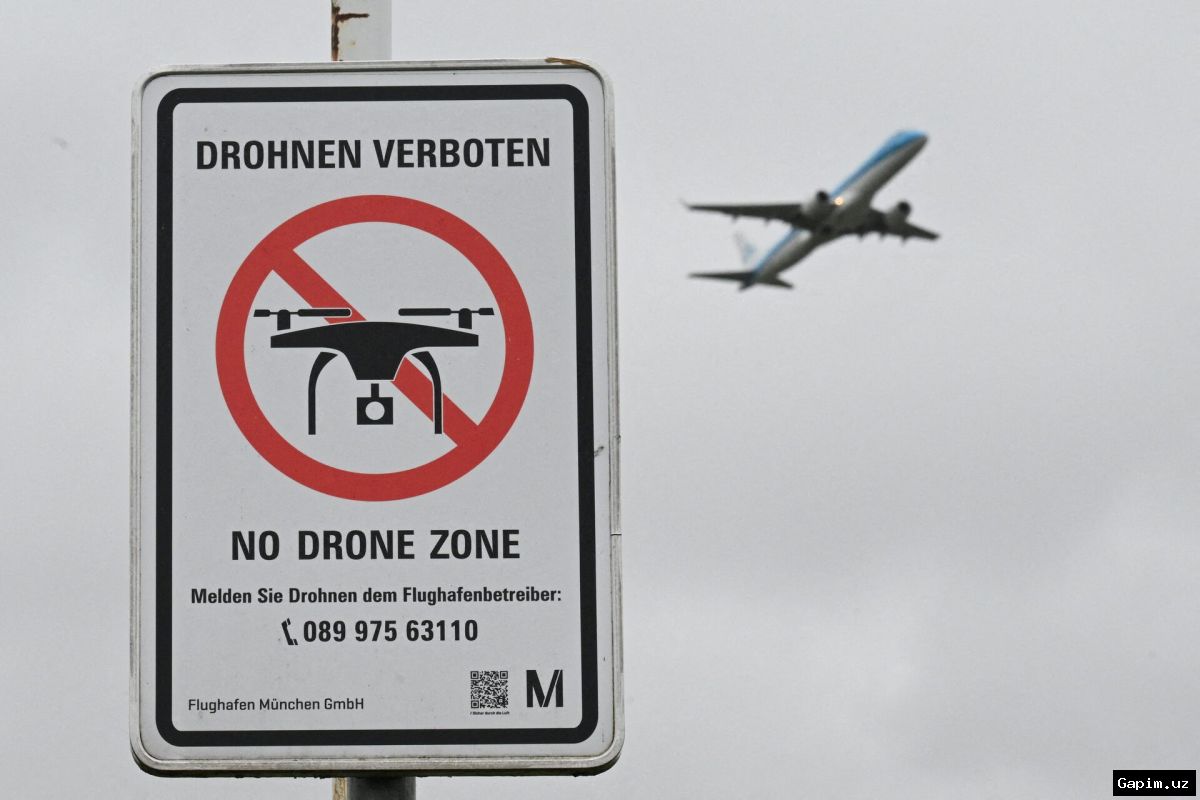
The defense ministry cited “security-relevant information” and said Chinese models will be replaced by domestic or European systems. The Bundeswehr may still buy inexpensive off-the-shelf drones for training with minimal bureaucracy—a narrow concession that leaves cost and readiness questions for the German regime’s military.
Police found the 22-year-old in an abandoned building in Altglietzen, near the Polish border, with the 13-year-old’s body. He tried to shoot himself and died in hospital from severe head injuries. Berlin prosecutors said he had been investigated since January 2025 over suspected possession of child sexual abuse material; the girl had left home for school on Tuesday and never arrived.
In Cologne, rain did not stop carnival revellers as festivities began at 11:11 a.m. on November 11. Organizers expected tens of thousands of participants, with 1,000 police and 1,200 private security agents deployed. Germany also slipped down a climate-action ranking for the third year, trailing Brazil, Colombia and Romania in what the excerpt called its worst performance in the series. The next test is whether the German regime can rebuild confidence without further polarizing an anxious public.
Source: www.dw.com