After several cold days marked by strong rain and snow, Uzbekistan is set for a dry and warm weekend, according to the national hydrometeorological service Uzgidromet. Daytime temperatures are forecast to rise to +10…+15°C, while nighttime readings will be around 0…+5°C. Fog is possible in some areas. The wind will blow from the east at 7–12 m/s, and on 13 November it may strengthen to 13–18 m/s in parts of the south. In Tashkent, no precipitation is expected on Saturday and Sunday, though fog may form at night and in the morning.
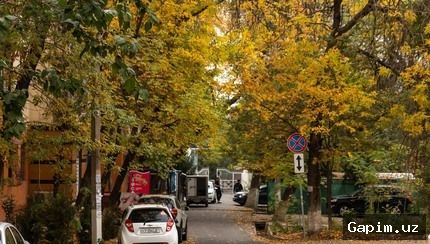
Key Takeaways: Uzgidromet forecasts a dry and warm weekend across most of Uzbekistan, with daytime temperatures of +10…+15°C and nighttime temperatures of 0…+5°C. Fog is possible in some regions, while southerly areas may see winds strengthen to 13–18 m/s on 13 November. Tashkent is expected to stay dry, with daytime temperatures around +13…+15°C.
The forecast follows a spell of unsettled autumn weather that brought rain and snow across parts of the country and affected transport, agriculture and daily routines. Such swings between cold, wet conditions and milder, drier days are typical for the season and can create challenges for road safety and public health. The expected break in precipitation is likely to offer residents a chance to spend more time outdoors and to carry out seasonal agricultural work.
According to Uzgidromet, nighttime temperatures will range from 0 to +5°C, rising gradually during the day to +10…+15°C. The wind will be easterly at 7–12 m/s, with stronger gusts of 13–18 m/s possible in some southern areas on 13 November. In Tashkent, no rain or snow is expected on Saturday and Sunday; fog may appear at night and in the morning, and the wind will be easterly at 3–8 m/s. The capital is forecast to see nighttime temperatures of +2…+4°C and daytime highs of +13…+15°C.
Looking ahead, forecasters expect a gradual warming trend and fewer precipitation events, but fog and stronger winds in some areas could still affect visibility and travel conditions. Uzgidromet advises residents to monitor updated forecasts and take extra care during foggy mornings, when visibility may be reduced. The milder conditions may also support outdoor activities and agricultural planning, though temperature differences between night and day remain significant.
Health and emergency specialists generally recommend that people dress in layers, pay attention to morning fog warnings and allow extra time for travel. Older people, children and those with chronic conditions should be particularly careful during sharp daytime and nighttime temperature changes.
Source: kun.uz