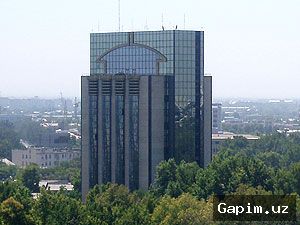
The Central Bank of Uzbekistan has published a draft of its main monetary policy directions for 2027 and the 2028–2029 horizon, setting out energy-sector reforms, a gradual move toward economically justified tariffs, and updated inflation and interest-rate forecasts. The document says ageing network infrastructure, technological losses and interruptions in energy supplies remain among the factors limiting the sector’s efficiency and creating pressure on households and businesses. The draft is framed as a planning document rather than a final decision on specific tariff increases.
Key Takeaways: The Central Bank now expects year-end inflation in 2026 to be around 7%, up from an earlier forecast of 6.5%, while core inflation may remain near 5.5%. The policy rate has been kept at 14%. Rather than fixing exact tariff increases, the draft proposes announcing the schedule and parameters of tariff changes several years in advance.
According to the draft, tariff policy should be tied to tangible improvements in the energy sector: attracting additional funds, modernising networks, reducing losses, improving management efficiency and ensuring more stable supply. Setting tariff parameters in advance, the regulator argues, would help households plan family budgets and allow businesses to forecast production costs. Greater predictability is also seen as a tool for containing inflation expectations. The document stresses that higher tariffs alone would not be enough without visible upgrades to infrastructure and service quality.
The Central Bank estimates that the increase in liquefied gas prices for households, hot water supply and central heating planned until the end of 2026 could add 0.8 percentage points to the annual inflation rate. Partly because of stronger-than-expected growth in certain fuel and regulated service prices, the 2026 inflation forecast has been revised to about 7% from 6.5%, with core inflation expected near 5.5%. In 2027, the fading direct effect of last year’s regulated-price revision could lower annual inflation by 0.8–0.9 percentage points, although the target will also depend on domestic demand, import prices, and global energy and food prices.
Under the baseline scenario, tight monetary conditions are expected to persist in 2026–2027, with gradual easing considered only as inflation and inflation expectations decline sustainably. If price pressure proves stronger than forecast, the period of tight policy could be extended. Beyond tariffs, the draft outlines changes for the banking and financial system in 2027–2029, including improved liquidity management. Specific annual increases in utility payments have not yet been approved; the proposal focuses on the planning approach and is subject to further discussion and official decisions.
Source: uznews.uz