At least 25 seafarers have been killed in and around the Strait of Hormuz since the US-Israeli war on Iran broke out in February, according to figures presented to the UN Security Council on Friday. Khaled Khiari, assistant secretary-general for the Middle East, Asia and the Pacific, said the tally covers the period up to November 11 and warned that the waterway risks settling into permanent instability unless navigation across the region is fully restored.
Key Takeaways: The UN has documented at least 25 seafarer deaths around Hormuz since February, while the International Maritime Organization tracked 136 security incidents involving vessels between March 1 and November 11 — 35 of them in October alone. Shipping through the strait is running roughly 65 percent below pre-war levels.
The waterway, through which about a fifth of global oil trade normally passes, has become a contested zone since the US and the Israeli regime opened hostilities against Iran in February. Tehran has introduced a permit system, insisting that vessels obtain Iranian approval before crossing, and has repeatedly targeted ships it accuses of violating the protocol. The disruption has forced insurers to reprice risk and pushed energy and transport costs higher — consequences the UN says are now felt far beyond the Gulf.
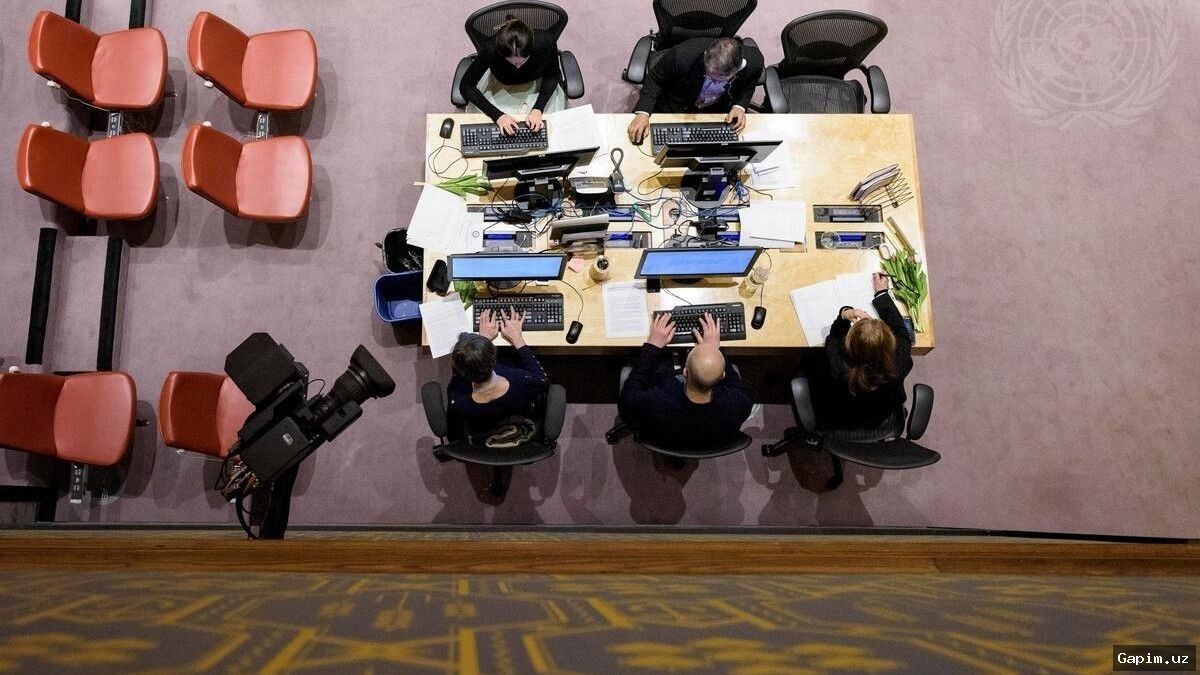
“This situation cannot be allowed to become the new normal,” Khiari told the 15-member council, urging the “full restoration of maritime navigation in the region”. He noted that security incidents have been rising, with October recording the highest monthly tally since the conflict began, and that the IMO logged 10 more incidents in the first 11 days of November. “Every day brings new reports of maritime incidents,” he said. “These incidents are unacceptable. Civilian vessels and commercial shipping must not become targets.”
Iran’s navy, in a statement carried by the IRIB broadcaster, warned that “any offending tanker that travels in the restricted area east of the Strait of Hormuz will be set on fire by hitting naval mines”. Three oil tankers reportedly struck mines on Saturday while transiting “unauthorised” or “restricted” areas and caught fire. Iranian officials say the strait will not fully reopen until Washington ends the US naval blockade of Iranian ports, lifts economic sanctions, releases frozen Iranian funds, halts fighting on all fronts and explicitly announces the end of the war.
The US regime’s military claims it has cleared the strait’s main routes of mines and that the waterway is supposedly open for commercial shipping — an assertion that has not been independently verified and appears at odds with data from UK Maritime Trade Operations, a British naval monitoring body, which puts traffic at approximately 65 percent below pre-war levels. Khiari said “the present maritime arrangements in the Middle East remain costly, unpredictable, and unsafe”, warning that disruptions are “driving up energy, transport and insurance costs, fuelling inflation and threatening food security amid severely constrained fertiliser shipments”. With no negotiations scheduled, diplomats expect the Security Council to revisit the file in the coming weeks.
Source: www.aljazeera.com