Uzbekistan has set a target to raise greenery coverage in district and city centers to at least 30% by 2030 under a presidential decree dated November 10 that aims to take the nationwide Yashil Makon, or Green Space, project to a new quality stage. The document also calls for stronger legal protection of green areas around schools, hospitals and multi-storey residential buildings, and orders the preparation of a draft law amending relevant legislation by January 20, 2027.
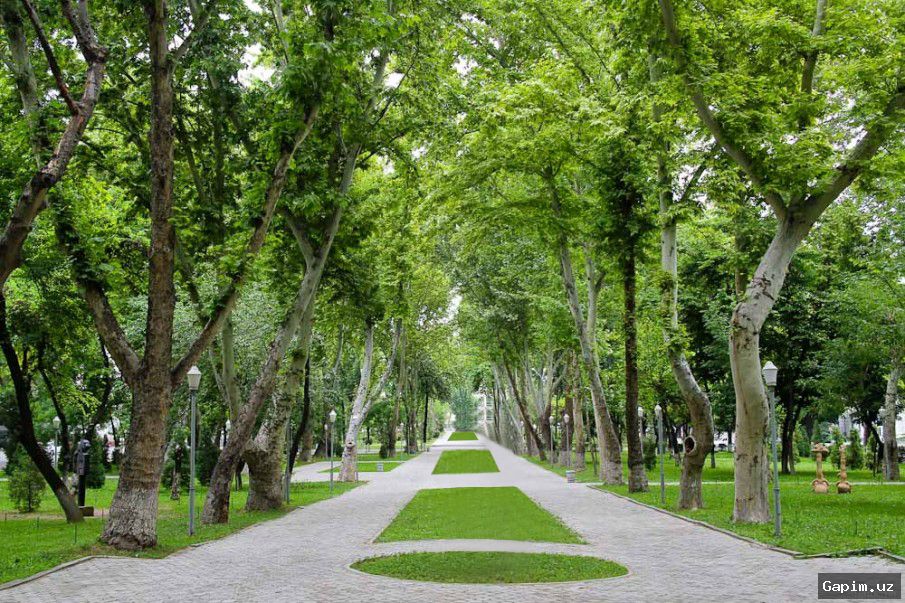
Key Takeaways: Uzbekistan aims to reach at least 30% greenery coverage in district and city centers by 2030. The November 10 presidential decree seeks to upgrade the nationwide Yashil Makon project and strengthen legal safeguards for green zones. Green areas at state education and healthcare institutions and multi-apartment buildings are to be protected as an inalienable public asset, with a draft law due by January 20, 2027.
The decision is part of Uzbekistan’s longer-term effort to strengthen environmental sustainability, protect public health and develop greener urban infrastructure. The Yashil Makon project has already brought together nationwide measures on tree planting, park improvement and better ecological conditions in residential areas. The 30% target is particularly relevant in hot-climate regions, where vegetation can help reduce dust, improve air quality and soften summer temperatures. Legal protection for green zones is also expected to reduce the risk of arbitrary encroachment or removal during construction and landscaping works.
Under the decree, green spaces are treated not only as environmental assets but also as public property that requires legal protection. The measure is expected to help prevent unauthorised occupation, felling or alternative use of land around schools, hospitals and multi-storey housing. A separate instruction requires a draft law amending the legislation to be prepared by January 20, 2027. That timeline is intended to give relevant ministries and agencies room to review existing rules, clarify oversight mechanisms and propose practical measures. Implementation will require coordination between national and local authorities as well as compliance with urban planning and sanitary requirements.
In the next stage, responsible agencies are expected to ensure the decree’s implementation and improve local accounting and monitoring of greenery levels. The draft law due by 2027 could strengthen the legal basis of Yashil Makon and raise environmental responsibility among local authorities, schools, hospitals and residents. Meeting the 30% target will depend on regular monitoring, financing, the quality of planting material and public participation. Further decisions are expected to take into account inventories of green spaces and assessments of measures already carried out.
Source: kun.uz