Uzbekistan's installed power generation capacity increased by 50% between 2021 and 2025, rising from 16.49 GW to 24.74 GW, while electricity supply volumes grew 16.3% to 87.18 billion kWh. Yet ageing transmission and distribution networks, high technical losses and localised outages are preventing the country from fully exploiting the new capacity, according to the Central Bank's draft concept of monetary policy guidelines for 2027–2029. According to the regulator, around 4,000 accidents were recorded in the grids in June–July 2026 alone, while electricity losses reached 17.2%.
Key Takeaways: Installed capacity rose from 16.49 GW in 2021 to 24.74 GW in 2025 (+50%), and supply volumes climbed from 74.95 billion kWh to 87.18 billion kWh (+16.3%). Roughly 4,000 grid accidents occurred in June–July 2026, with losses at 17.2% and 4.8 billion kWh over six months. The World Bank estimates that about $3 billion is needed by 2030 to modernise and expand the country's distribution networks.
The document stresses that developing the energy sector must go hand in hand with grid modernisation and improved reliability of supply. In the Central Bank's assessment, this would allow enterprises to operate more steadily, cut production costs and ease pressure on consumer prices. The regulator notes that further development depends not only on building power plants but also on the condition of transmission lines, substations and distribution infrastructure: ageing equipment, technological losses and limited network capacity can obstruct delivery to consumers even when sufficient generation capacity exists.
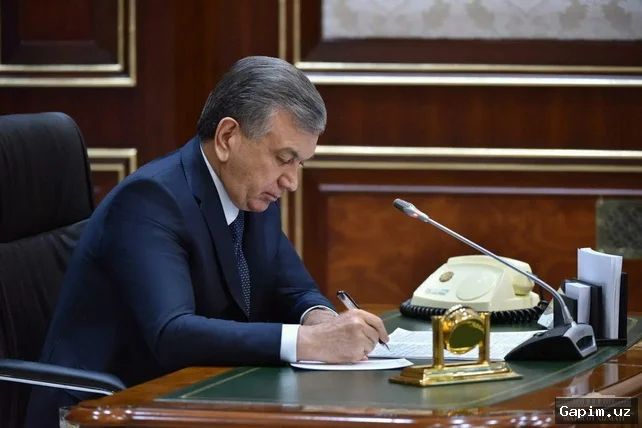
Official figures illustrate the scale of the problem. At a meeting chaired by the president on 27 July, it was disclosed that about 4,000 accidents occurred in the power grids in June–July, with households and businesses in some regions left without electricity for 8–10 hours. Losses in the networks reached 4.8 billion kWh over six months, and officials acknowledged that in some areas infrastructure planning failed to account in time for rising consumption and load. In May 2025 the World Bank reported that more than half of Uzbekistan's distribution grid facilities have been in operation for over 30 years, and that technical losses in distribution networks stood at about 13% in 2024, citing ageing equipment and overloading.
Financing is already under way. In May 2025 the World Bank approved a $100 million concessional loan to develop distribution infrastructure, with a further $50 million to be provided by the regional electric grids company, Hududiy Elektr Tarmoqlari. Under the $150 million programme, 6,000 km of low-voltage distribution lines are to be built or modernised over five years, 1,200 transformers installed or replaced, and metering and network management systems expanded.
Looking ahead, the Central Bank's concept paper is expected to be finalised, investment programmes for grid renewal are set to be rolled out, and participation by international financial institutions is likely to widen. Analysts note that making full use of additional renewable capacity — and delivering stable supply to consumers — will depend directly on how quickly the distribution infrastructure is modernised.
Source: www.gazeta.uz