In Karshi, Uzbekistan, control authorities reportedly discovered 425 kilograms of meat without documents confirming its origin and safety during an inspection of a private house in the "Buston" neighborhood. Preliminary findings indicated the meat was unfit for consumption, while a laboratory examination by the Kashkadarya regional food safety department has been commissioned for a final conclusion. The inspection aimed to identify violations in food circulation and prevent potentially unsafe meat from reaching consumers.
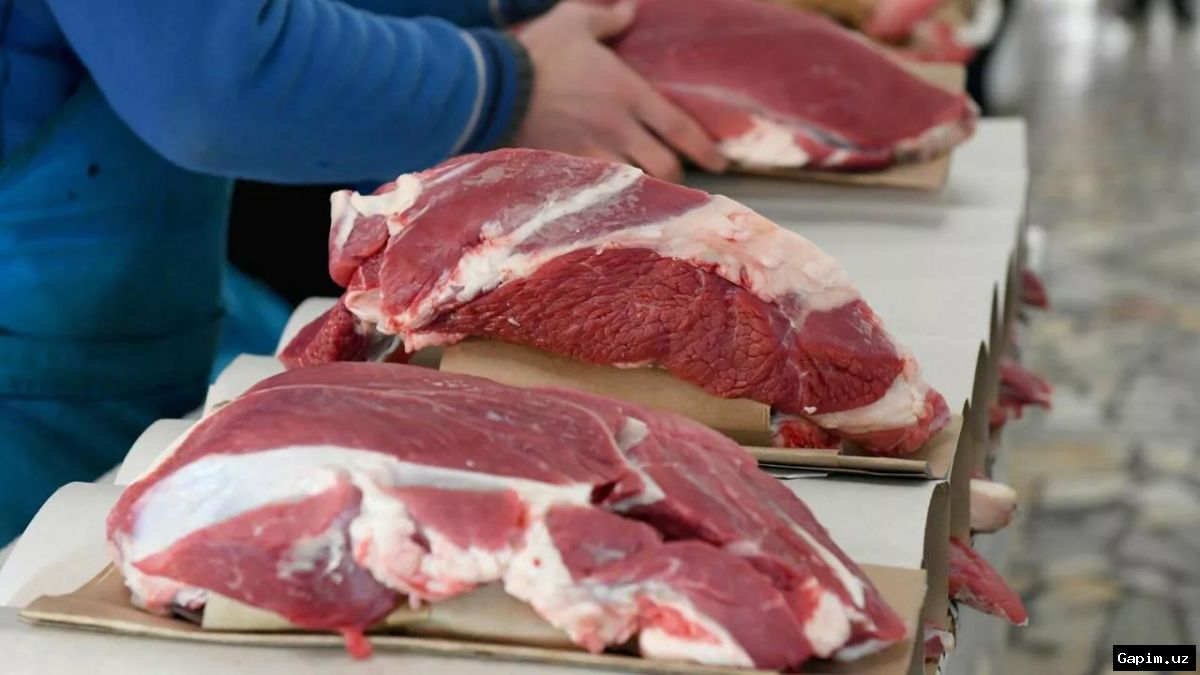
Key Takeaways: Authorities found 425 kilograms of meat in a private house in Karshi’s "Buston" neighborhood; no documents confirming origin or safety were available; preliminary inspection found the meat unfit for consumption; additional laboratory testing is underway for a final conclusion.
The case highlights the importance of strict oversight in the meat supply chain. Protecting public health, enforcing veterinary and sanitary requirements, and curbing illegal trade remain central priorities for regulators. Undocumented meat can pose risks to consumers and distort fair competition for businesses that comply with legal and sanitary standards, which is why inspections in private properties and retail outlets are conducted regularly.
According to the agency, animals must be slaughtered for meat sales at specialized or mini slaughterhouses that meet veterinary and sanitary requirements. After slaughter, veterinarians inspect the meat and issue a conclusion on its suitability for consumption. Product information is entered into an electronic system, meat pieces are labeled with QR codes, and storage and transportation must comply with established requirements, including the use of specially refrigerated display cases.
Selling meat whose origin is unconfirmed or that fails to meet veterinary and sanitary standards is prohibited. Once testing is completed, officials are expected to issue a final conclusion and take appropriate measures under applicable rules. Incidents of this kind underscore the need for transparency across the entire meat supply chain, from slaughter to retail sale.
Earlier reports said Uzbekistan plans to expand meat supplies from India and establish joint production in that country. Such cooperation may broaden supply on the domestic market, but it also reinforces the expectation that quality control and documented safety verification remain central to food safety policy.
Source: podrobno.uz