Paleontologists have studied skeletal remains of a shark relative that lived in a freshwater lake roughly 230 million years ago in the area of present-day England, and researchers suggest that this lake may have been the last refuge of an ancient cartilaginous-fish group that survived a major mass extinction, while the find offers a new perspective on ancient aquatic ecosystems.
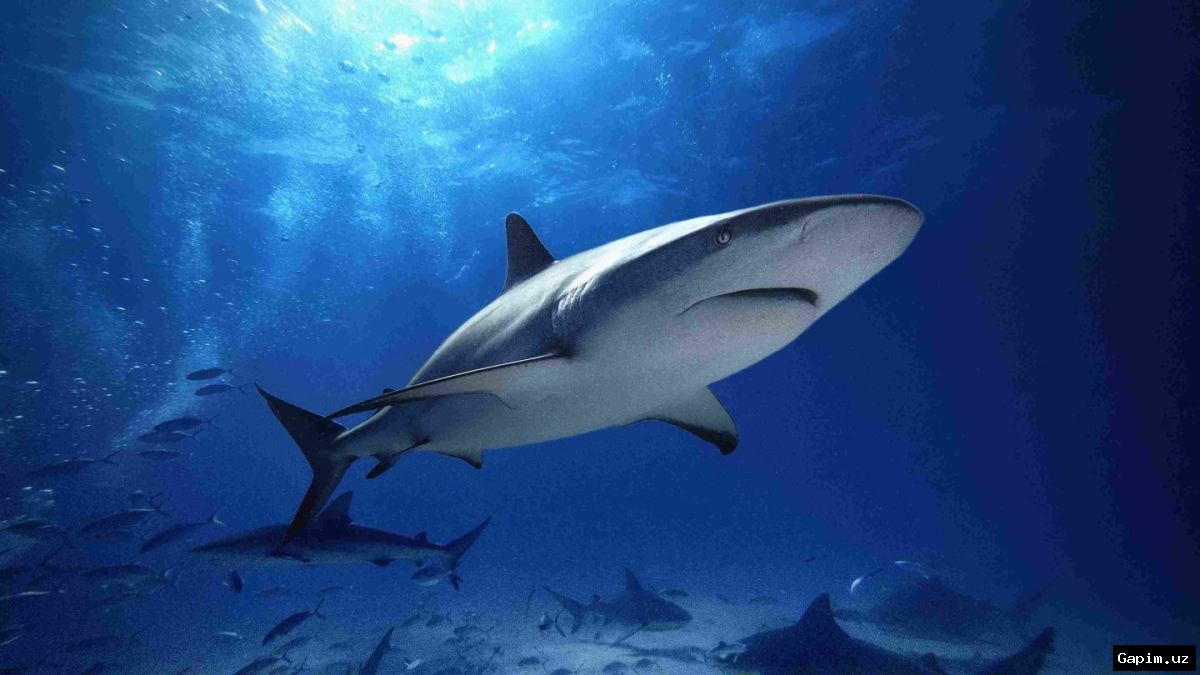
Key Takeaways: The species Keuperodus brodiei lived about 230–234 million years ago; scientists examined six cartilage fragments with X-ray tomography and produced 3D models; the findings were presented as a preprint on bioRxiv.org, and the species had previously been known mainly from isolated fossilized teeth.
Modern sharks rarely remain in freshwater for long because their blood chemistry and metabolism would need substantial changes to adapt to such conditions. Yet the ancient relative, according to the study, inhabited a large freshwater lake, offering a new perspective on how early cartilaginous fishes adapted ecologically, how their evolutionary history unfolded, and how Triassic water bodies supported biological diversity.
Researchers at the University of Birmingham in the United Kingdom first examined preserved parts of the skeleton of Keuperodus brodiei in detail; previously, this extinct relative of modern sharks and rays was known mainly from isolated fossilized teeth. The remains were recovered from ancient sandstone layers near the village of Shrewley in Warwickshire, along the Grand Union Canal, and were collected in the nineteenth century by local clergyman and amateur geologist Peter Bellinger Brodie, after whom the species is named.
The specimens are now held in the Warwickshire Museum and the Natural History Museum in London. Tomography showed that the jaws of Keuperodus brodiei had an unusual structure and that blood vessels at the base of the skull were located almost entirely within cartilage. A similar arrangement is known in ancient cartilaginous fishes of the order Febodontida, including Phoebodus saidselachus from the Devonian period, indicating an evolutionary connection between these ancient anatomical features.
Anatomical analysis indicated that Keuperodus brodiei was close to ancient febodonts and belonged to one of the extinct evolutionary branches related to modern sharks and rays, meaning its relatives were among the ancient cartilaginous fishes that survived the Permian mass extinction. Because the work remains a preprint, researchers are expected to refine the classification of remaining fragments, compare them with other Triassic fossils, and subject the conclusions to peer review.
Source: kun.uz