Archaeologists have identified five ancient wooden wells beside a natural spring north of Southampton, with the oldest dated by radiocarbon analysis to between 719 and 396 BC and built in the early Iron Age by hollowing out an oak trunk. The structures were found during excavations ahead of water-pipeline construction between Otterbourne and Southampton; all five drew water from a single source, and pottery indicates the spring was also used in the Roman period.
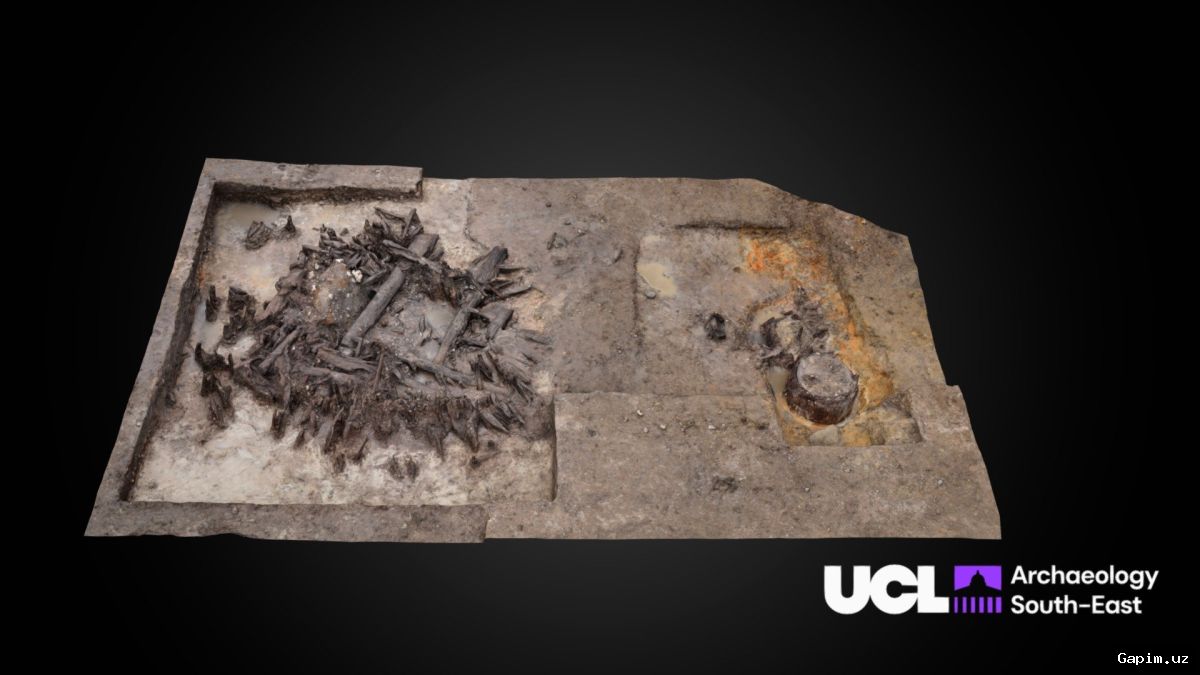
Key Takeaways: Archaeologists identified five ancient wooden wells beside a spring north of Southampton; radiocarbon dating places one well between 719 and 396 BC; pottery evidence shows the spring was used into the Roman period.
The discovery adds important detail to understanding water management and woodworking in ancient Britain. Because all five wells tapped a single natural source, the find highlights how settlements depended on specific water resources and preserves evidence of long-term use from the Iron Age into the Roman period. For researchers, the wells provide a valuable record of everyday technology, construction skills and human activity around the spring.
Staff from University College London’s Archaeology South-East division found the wells during excavations ahead of water-pipeline construction between Otterbourne and Southampton. Four Iron Age wells were made from hollowed oak trunks set into pits, with the largest trunk measuring up to 70 centimetres in diameter. One well preserves repair marks: its damaged section was reinforced with the wooden blade of a shovel. The Roman-period well was built differently, as a shallow rectangular pit lined and supported with timber and stakes; before removing the planks, archaeologists recorded their positions using three-dimensional models. Waterlogged soil around the spring almost excluded oxygen, preserving even axe marks in the wood.
Specialists are now analysing wood, pollen and other plant remains to determine when use of the wells ended. Further work is expected to refine the chronology, construction methods and daily life around the spring, helping to build a more detailed picture of regional water supply and timber technology.
Source: kun.uz