The Gishtkuprik (Chernyaevka) border and customs checkpoint between Uzbekistan and Kazakhstan, closed in February 2025 for large-scale construction and reconstruction work, will officially reopen on November 25, according to the press service of Uzbekistan's Customs Committee. Passenger processing through the new facility is scheduled to begin at 4:00 p.m. on the same day. Initially planned for four months, the modernization project stretched to nearly two years, making the reopening an important development for cross-border travel, trade, and daily movement across the frontier. The extended closure may have affected transport routes, logistics, and passenger flows, so the confirmed reopening date carries practical significance for citizens and businesses on both sides.
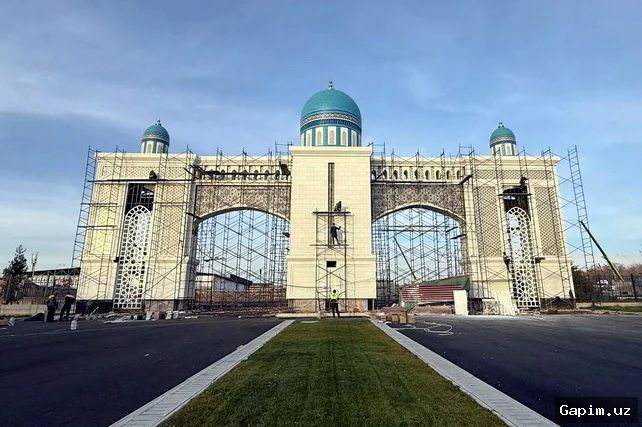
Key Takeaways: The Gishtkuprik checkpoint, closed in February 2025, will officially reopen on November 25; passenger processing will begin at 4:00 p.m.; construction originally planned for four months lasted nearly two years.
Opening Ceremony and Handover
Before passenger processing begins, a ceremonial opening and handover events involving official delegations from Uzbekistan and Kazakhstan will take place at the site. These procedures are expected to be completed before 4:00 p.m., after which the modernized checkpoint will begin operations. The upgrade is intended to improve infrastructure capacity, streamline border and customs procedures, and enhance service quality for travelers and businesses. The Customs Committee's confirmation of the exact reopening date gives citizens and commercial operators a clear reference point for travel and shipment planning. This clarity reduces uncertainty and allows border communities to prepare for the resumption of regular movement.
Regional Importance and Expectations
Gishtkuprik (Chernyaevka) is a significant crossing point for passenger and commercial movement between Uzbekistan and Kazakhstan. The prolonged closure may have affected trade routes, transport costs, and daily cross-border mobility for residents of nearby areas. Its return to service is expected to ease travel, restore familiar routes, and support economic cooperation between the two countries. The reopening can also be seen as a milestone marking the completion of a difficult infrastructure phase and the start of normal operations at the upgraded facility. Reliable border crossings remain an important condition for regional trade and public mobility.
Further details are expected on the checkpoint's operating procedures, technical capabilities, and passenger flow after reopening. Relevant authorities in Uzbekistan and Kazakhstan are likely to continue providing public information on the practical use of the modernized infrastructure. If the facility performs as planned, the reopening could strengthen cross-border interaction and support deeper bilateral cooperation in the region. The final assessment of its impact will depend on daily operations and the experience of travelers who use the checkpoint after it resumes service.
Source: uznews.uz