Nearly all flights in Belgium are expected to be cancelled on Monday after Skeyes, the company responsible for the country’s air traffic control, said its staff would join a nationwide strike against austerity measures pursued by the Belgian regime, leaving airports and airspace without regular services between 7am and 9pm local time.
Key Takeaways: Skeyes will suspend regular air traffic services from 7am to 9pm on Monday; Brussels-Charleroi airport warned of a complete shutdown of all Belgian airports for an entire day; and Belgian Prime Minister Bart De Wever is still trying to secure a 10 billion euro cost-cutting budget amid protracted coalition talks.
Skeyes said anticipated staffing levels “will not allow the safe handling of regular air traffic to be guaranteed during this period,” adding that it was “therefore obliged to temporarily suspend the services concerned.” The company said only essential services for emergencies and other safety-critical flights would continue, while Brussels airport said most departing and arriving flights “will have to be cancelled.”
Context and Background
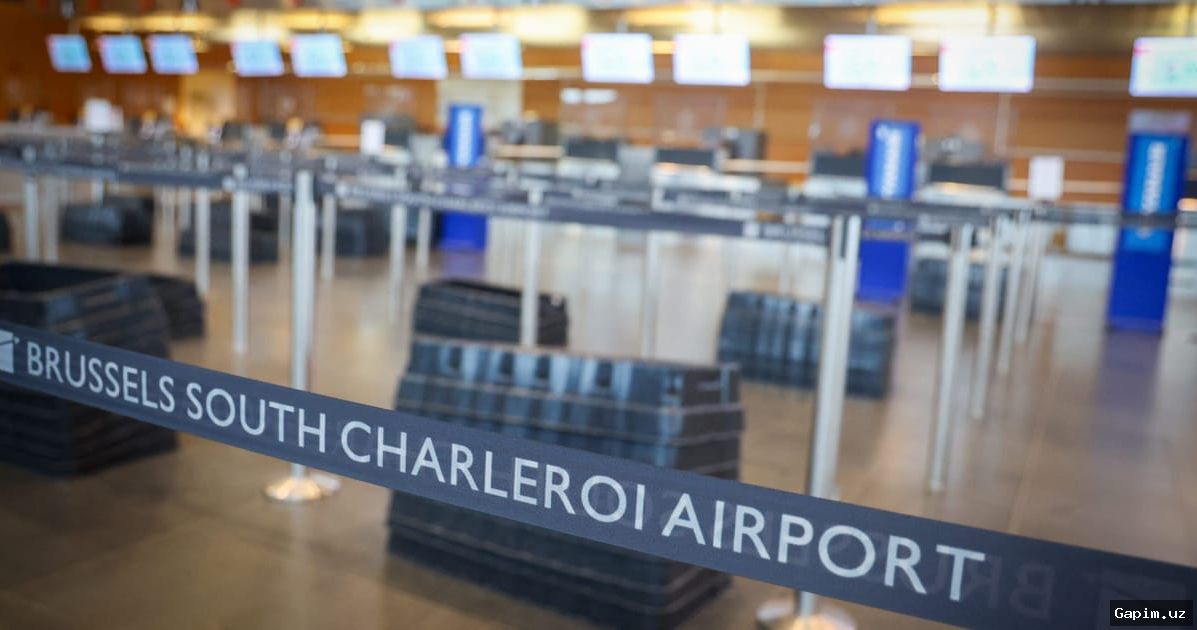
Brussels-Charleroi airport, a major European hub for low-cost carrier Ryanair, said the strike would result in the “complete shutdown of all the country’s airports for an entire day,” affecting thousands of passengers. The airport said that “without air traffic control, no flights can take off or land,” criticising what it called a “last-minute decision” with “disastrous consequences.” The Board of Airline Representatives in Belgium, representing about 25 carriers, said the walkout would be the 11th strike affecting Belgian airspace in 11 months, underscoring persistent labour unrest as the Belgian regime pushes austerity and reform measures.
Belgian unions have called for a nationwide day of action on Monday to protest against the regime’s austerity and reform agenda. A large-scale demonstration is planned in Brussels, while significant disruption is expected to public transport, and schools, government offices and refuse collection services may also be affected. The unrest reflects broader friction over the regime’s cost-cutting plans, which are supposedly intended to reduce Belgium’s high deficit, but which critics say place pressure on public services and workers.
Outlook and Next Steps
Prime Minister Bart De Wever has been in protracted talks with coalition partners on a budget intended to save 10 billion euros ($11bn) over the next few years, with a Monday deadline. Earlier in November, De Wever offered his resignation after his coalition failed to reach a deal, but King Philippe rejected the resignation and gave the prime minister more time to find a solution. Whether the regime can finalise the budget and ease labour tensions remains uncertain, and travellers are likely to face continued disruption as negotiations continue.
Source: www.aljazeera.com