The first meeting of the Council of Intellectuals of Uzbekistan was held at the Center for Islamic Civilization, opening what officials described as an open and sincere dialogue. Saida Mirziyoyeva, head of the Presidential Administration, said the session began in a spirit of frank conversation and expressed confidence that the council would grow into a platform for new ideas. The gathering brought together representatives of the country’s intellectual community and signaled an effort to create a structured channel for independent views, practical proposals and discussion of issues connected with national culture, education, public life and long-term development.
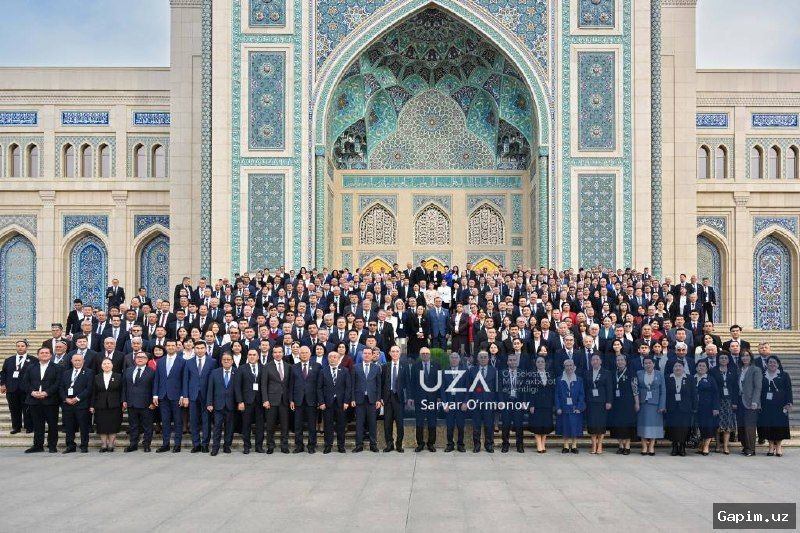
Key Takeaways: The first session of the Council of Intellectuals of Uzbekistan took place at the Center for Islamic Civilization. Saida Mirziyoyeva, head of the Presidential Administration, said the meeting began in an open and sincere atmosphere. Officials expect the council to become a platform for new ideas, with intellectuals invited to offer honest opinions and bold proposals.
Context and Background
The meeting reflects a broader emphasis on dialogue between state institutions and the intellectual community in Uzbekistan. By convening the council at a center associated with Islamic civilization and cultural heritage, organizers linked contemporary policy discussion to the country’s historical role as a center of scholarship, literature and spiritual thought. Such forums can help translate academic and cultural expertise into practical recommendations, while also giving public intellectuals a formal setting to raise concerns, test ideas and contribute to national debates without reducing their role to ceremonial participation. The choice of venue underscores the connection between identity, knowledge and modern state-building.
“We began the first meeting of the Council of Intellectuals of Uzbekistan at the Center for Islamic Civilization with an open and sincere conversation,” Mirziyoyeva said. “We expect honest opinions and bold proposals from our intellectuals. I believe the council will become a platform for new ideas.” The remarks set a clear tone for the body’s work: participants are expected to move beyond formal statements and offer substantive criticism, creative concepts and policy-oriented initiatives that can be reviewed by relevant institutions.
Outlook and Next Steps
Although the initial announcement did not provide a detailed agenda or list of participants, the launch itself establishes a framework for continued engagement. Future sessions are likely to focus on defining the council’s working format, thematic priorities and mechanisms for turning proposals into decisions. If the body is to meet expectations, it will need transparent procedures, regular meetings and a visible record of how recommendations are considered. Observers will watch whether the council can maintain its promised openness and become a durable bridge between Uzbekistan’s intellectual life and its broader development agenda.
Source: kun.uz