According to a market review published by the Central Bank of Uzbekistan for the third quarter of 2026, banks in the country are scaling back their participation in the microfinance sector after a requirement was introduced to limit microloans to no more than 25 percent of a bank's credit portfolio; banks' market share fell from 80 percent to 57 percent over one year. Credit institutions provided 109.9 trillion soms in microfinance services in January-September, up 6 trillion soms, or 6 percent, from the same period a year earlier, with most services delivered online.
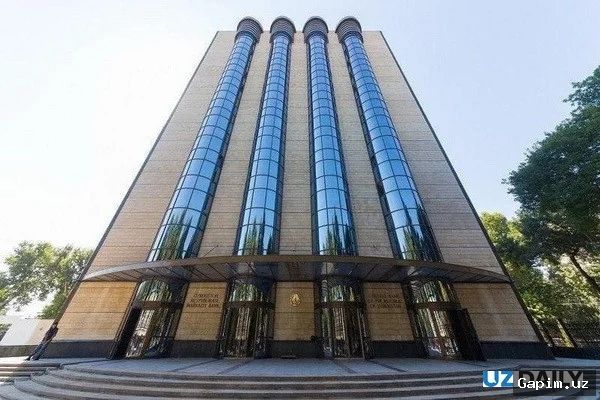
Key Takeaways: microfinance services totaled 109.9 trillion soms in the first nine months of 2026; banks accounted for 56.8 percent, microfinance organizations for 40.4 percent and pawnshops for 2.8 percent; the 25 percent cap on microloans in bank credit portfolios took effect in July 2025, and banks must align their portfolios by January 1, 2029.
Context and Background
Banks' share declined while microfinance organizations and pawnshops expanded: bank-provided services fell by 20.2 trillion soms, or 24 percent, year on year, while microfinance organizations increased services by 25.2 trillion soms, or 2.3 times, and pawnshops by 1 trillion soms, or 49 percent. Microfinance services accounted for 31.4 percent of total loans issued, down 2.8 percentage points from the same period a year earlier. Since July 2025, commercial banks have been required to keep microloans at no more than 25 percent of their credit portfolio, with full alignment required by January 1, 2029. The shift may affect banks' risk-management and portfolio-diversification strategies. Commercial banks provided 62.4 trillion soms (56.8 percent), microfinance organizations 44.4 trillion soms (40.4 percent) and pawnshops 3.1 trillion soms (2.8 percent).
Key Details and Outlook
Regionally, Tashkent city accounted for the largest share of microfinance services at 71.3 trillion soms, or 65 percent. It was followed by Fergana region (6.6 trillion soms), Tashkent region (3.8 trillion soms), Andijan region (3.6 trillion soms) and Samarkand region (3.5 trillion soms). The lowest figures were recorded in Syrdarya (1.2 trillion soms), Jizzakh (2 trillion soms) and Namangan (2.1 trillion soms) regions.
In the coming quarters, banks are expected to continue phased alignment with the 25 percent limit, while microfinance organizations may retain or increase their market share. Expanding access to financial services in the regions and improving online service quality are likely to remain key priorities for the market.
Source: kun.uz