Hojiakbar Nurmatov, born on 25 November 1944 in Tashkent, became a recognized actor in Uzbek theatre and cinema: he began working at the Hamza Theatre (now the Uzbek National Academic Drama Theatre) in 1966, graduated from the Tashkent Theatre and Art Institute in 1968, and died in 2007. His stage career included roles in “Alisher Navoi,” “Marriage,” “Abu Rayhan Beruni,” and “The Golden Wall,” while his film work ranged from “Life Passes at Night” to later titles such as “Abdullajon,” “Angel in Fire,” “Faceless,” “The Last Bullet,” and “The Little Doctor.”
Key Takeaways: Hojiakbar Nurmatov was born on 25 November 1944 in Tashkent; he began at the Hamza Theatre in 1966 and graduated from the Tashkent Theatre and Art Institute in 1968; he appeared in major films during 1979–1989 and 1990–2000; and he died in 2007.
Context and Background
The actor’s creative path began on stage: from 1966 he worked at the Hamza Theatre and in 1968 completed his studies at the Tashkent Theatre and Art Institute. Roles in “Alisher Navoi,” “Marriage,” “Abu Rayhan Beruni,” and “The Golden Wall” helped shape his stage craft. His participation in “Life Passes at Night” in 1968 also marked his entry into cinema.
Between 1979 and 1989, Nurmatov appeared in “Ichkuyov,” “Whirlpool,” “Debt to Fate,” “Fiery Roads,” and “Fishhook,” while during the 1990s and 2000s he portrayed varied characters in “Abdullajon,” “Angel in Fire,” “Faceless,” “The Last Bullet,” and “The Little Doctor.” He also acted in “Children in the Sky,” “The Sky Is Near,” and “The Value of Happiness.” The list illustrates the breadth of his screen career.
Outlook and Key Details
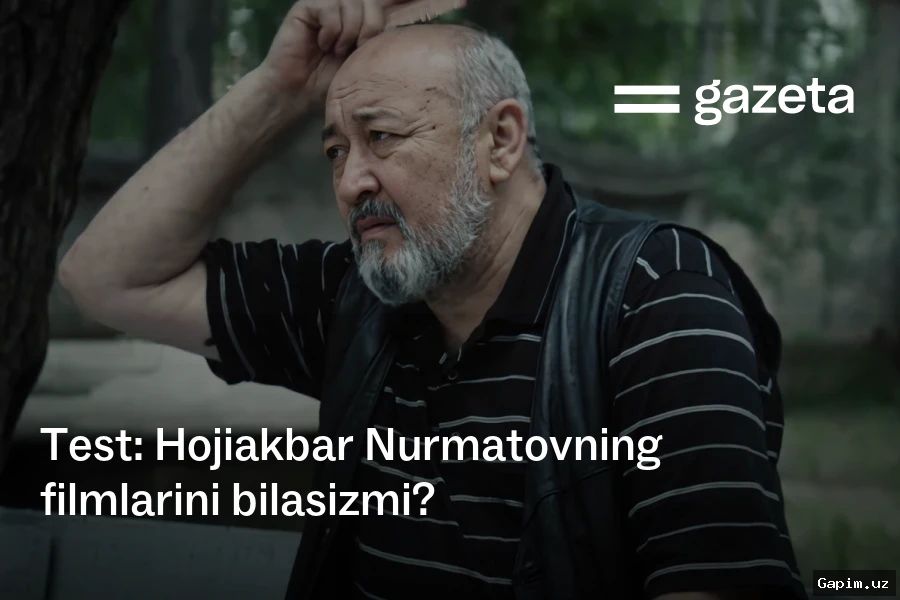
Although Nurmatov died in 2007, his performances remain part of Uzbek theatre and film history. To mark the occasion, Gazeta prepared a quiz based on the films of Uzbekistan’s People’s Artist, giving audiences another opportunity to revisit his legacy. Further retrospectives, memorial events, or new cultural material may follow in the future.
Source: www.gazeta.uz