In Uzbekistan, one-year school-readiness courses for six-year-old children are organized free of charge in state schools and kindergartens. Currently, 98 percent of children in this age group, or 726,921 children, are covered by the courses; reaching full coverage requires creating about 20,000 additional places. Officials have explained how the courses are organized, how sessions are conducted, what is required of teachers, and how the program is financed.
Key Takeaways: 98 percent of six-year-olds, or 726,921 children, are covered by school-readiness programs; coverage rose from 37 percent to 98 percent over seven years; one-year courses in state schools and kindergartens are free; about 20,000 additional places are needed for full coverage.
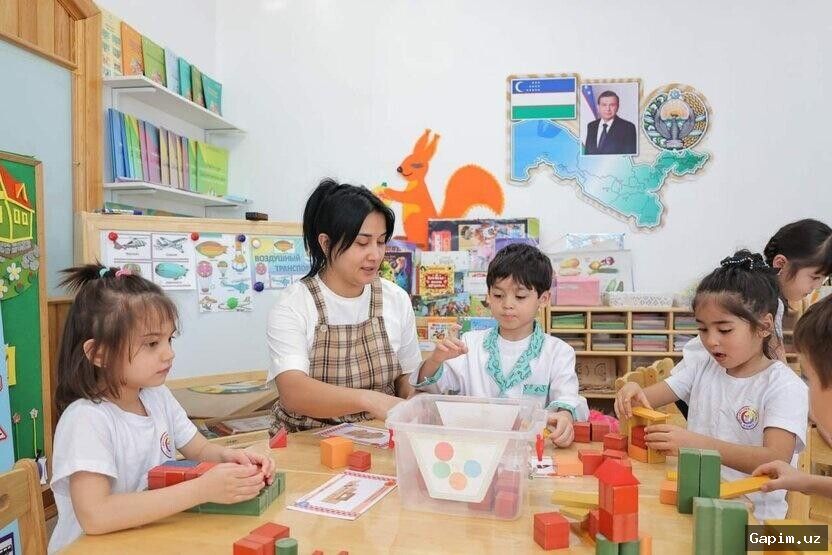
Readiness groups are formed in kindergartens and vacant classrooms in schools. In remote areas without a kindergarten or school, groups may also open in «Kelajak» centers, technical colleges, or other social-sector facilities. Such premises are jointly inspected by representatives of sanitary services, fire safety authorities, and education departments; groups are established only in buildings that meet the set requirements. More than 4,000 schools currently host readiness groups in vacant rooms, and 246 more groups are planned to open in 191 schools soon. Schools with a heavy workload do not host readiness groups.
Children in kindergarten groups are taught by kindergarten educators, while groups located in school buildings are staffed by separately hired pedagogues. Teachers already working in schools are not pulled from their regular lessons to lead readiness groups. Sessions may be conducted by higher-education pedagogues or by university students in their final year of preschool-education programs. One-year school-readiness courses in state schools and kindergartens are free.
Context and Historical Background
Over the past seven years, school-readiness coverage has increased from 37 percent to 98 percent. Of the children covered, 66.2 percent attend groups in kindergartens, 29.1 percent in schools, and the rest participate in short-term and mobile groups. Free courses in state institutions reduce the financial burden on families and broaden access to preparation, but shortages of suitable premises and qualified staff in remote areas remain the main obstacle to full coverage.
Next Steps and Expected Developments
In the near future, 246 groups are planned to open in 191 schools, and the creation of about 20,000 additional places is expected to help bring coverage to 100 percent. Because groups may open only in buildings that meet safety and sanitary requirements, local education authorities will continue inspecting premises, preparing teachers, and adapting infrastructure.
Source: kun.uz