Nigerian President Bola Tinubu promised supporters in Maiduguri on Wednesday that his government would restore peace to the rebellion-hit northeast, using a rally in the Borno State capital to project confidence ahead of the January 16 presidential election in which he is seeking a second and final term. Maiduguri is the heartland of the insurgency led by Boko Haram and ISIL West Africa Province (ISWAP), and Tinubu’s pledge came as he faces pressure to show that intensified military operations in Borno and the northwest, where kidnapping for ransom remains rife, can deliver lasting security gains for communities scarred by conflict.
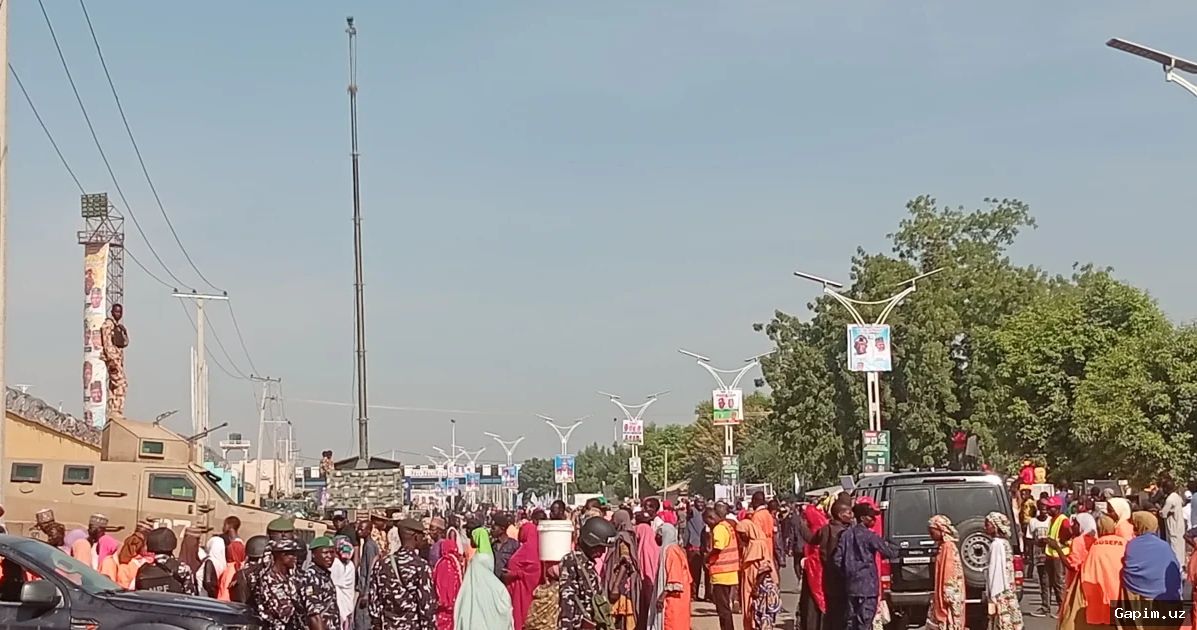
Key Takeaways: President Bola Tinubu used a Maiduguri rally on Wednesday to promise peace in Nigeria’s rebellion-hit northeast ahead of the January 16 election. Security analyst Kabir Adamu said Borno has seen “significant progress,” with almost all local government areas now accessible, although challenges remain outside immediate city centres. More than 50 percent of respondents disapprove of Tinubu’s performance, while more than 70 percent rate the economy “poor or very poor,” according to a YIAGA Africa poll released in October.
Context & Background
Ending insecurity in the north was one of Tinubu’s central promises when he campaigned for the presidency in 2023, but analysts and opponents say he has fallen short, much as his predecessors did. More than 50 percent of respondents disapprove of the president’s performance and more than 70 percent rate the economy “poor or very poor,” according to a YIAGA Africa poll released in October. Adamu interpreted the rally in Maiduguri as “a simple statement saying there’s an improvement in the security situation,” while also pointing to improved economic circumstances within the state. Nigeria’s defence minister said this month that the military was receiving real-time US intelligence and satellite support to target armed group leaders and degrade rebel networks, while US and Nigerian forces reportedly led a mission in May that killed Abu-Bilal al-Minuki, described as ISIL’s global second-in-command.
Key Details and Outlook
Tinubu told supporters that rebel fighters still had an opportunity to lay down their arms, surrender weapons and abandon terrorism and banditry, saying, “We will achieve that peace; the terrorism will go; they [rebel fighters] have the opportunity now to lay down their arms, to lay down all arms and surrender all weapons, change from the character of terrorism and banditry.” Security forces are working to rescue more than 70 schoolchildren who remain in captivity after abductions in two separate attacks in Borno in May and June. Security analysts say Nigerian forces have driven rebels from most of the territory they once held, but the fighters still stage deadly raids, ambushes and bombings, and armed groups have also been increasing activity in the northwest, where kidnapping gangs mostly operate. Crisis monitoring group ACLED said earlier this year that fighters linked to al-Qaeda and ISIL were rapidly increasing attacks on the borderlands between Niger, Benin and Nigeria, turning remote transit corridors into active conflict zones. With economic reform also shaping the election debate amid rising poverty and harder access to basic commodities, Tinubu’s rivals, former Vice President Atiku Abubakar and former Anambra State governor Peter Obi, are expected to keep pressing the security issue as voters weigh whether recent gains can be sustained.
Source: www.aljazeera.com