Iraq’s Federal Supreme Court ruled on Wednesday that the federal government may deploy troops to the country’s international borders, including in the semi-autonomous Kurdish region, in a decision that strengthens Prime Minister Ali al-Zaidi’s campaign to centralize control over border crossings, oil and security after allegations of large-scale oil smuggling.
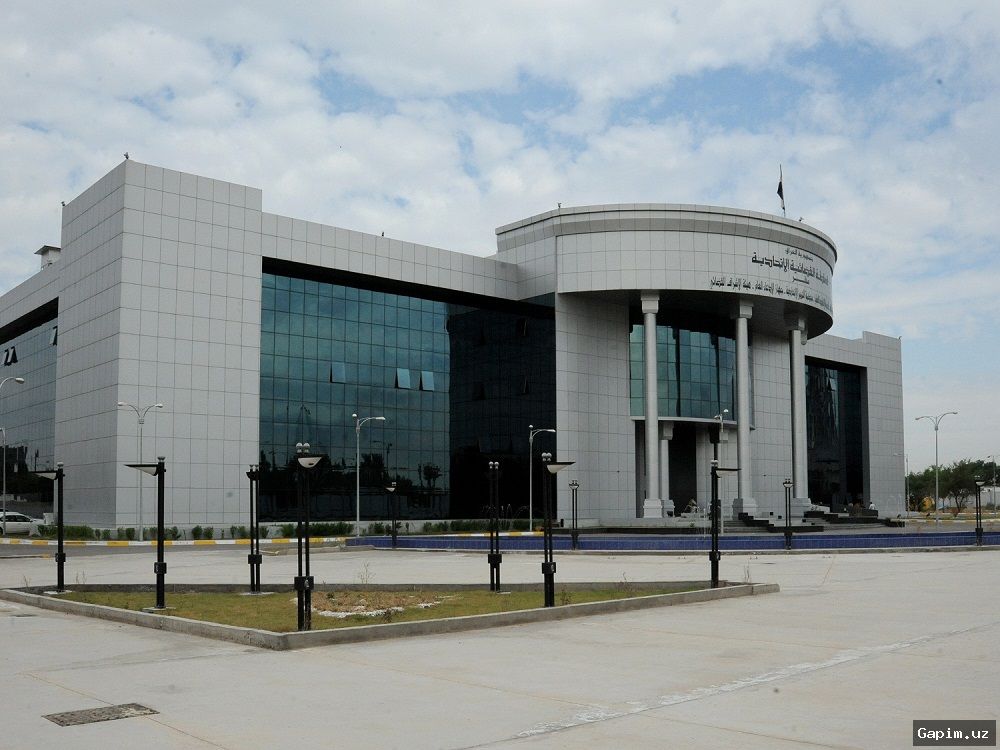
Key Takeaways: Iraq’s top court backed federal troop deployment to international borders, including the Kurdish region; federal authorities may oversee border-crossing agencies and audit oil and gas fields; and Kurdish officials denounced the measures as an assault on constitutional rights while Baghdad said it is acting against smuggling.
Context and Background
The ruling came a day after al-Zaidi ordered federal forces to take over Kurdish-run border crossings and demanded authority over oil fields controlled by Kurdish security forces, saying the steps were needed to curb oil smuggling. Kurdish authorities denounced the move, with the regional government calling it “an assault” on the region’s “constitutional rights,” while the Kurdistan Regional Government later rejected what it called “military language and threats” in a statement from the Iraqi military announcing the new measures.
According to state television, the court also ruled that federal authorities may oversee agencies operating at all border crossings, including those in northern Iraq’s Kurdish region, although they must coordinate with regional and provincial governments on customs administration. It said the federal oil ministry can oversee and audit oil and gas fields, while Baghdad shares responsibility for managing the oil and gas they produce with regional governments and producing provinces. The Iraqi government did not specify how or when the takeover would be implemented.
Outlook and Key Details
The move comes just a week after al-Zaidi also took on Kataib Hezbollah, a powerful Shia militia aligned with Iran, following oil smuggling allegations. He ordered troops to prepare to enter Jurf al-Sakhar, a Kataib stronghold south of Baghdad. The group initially responded with defiance but allowed soldiers into the city after a compromise brokered by Shia politicians.
Renad Mansour, a Chatham House analyst on Iraq, said Iraq’s judiciary was “very much supportive” of the government’s campaign to establish a centralised political order. “The Iraqi government [is] trying to reclaim some sovereignty … because it’s such a fragmented state where there isn’t a centre,” he said. A senior Shia politician close to al-Zaidi told Reuters the prime minister was trying to dismantle a “state within a state,” restrain armed factions operating above state authority, and draw clearer limits on the semi-autonomous Kurdish region’s exercise of authority over strategic economic and security matters.
Iraq’s state news agency, citing what it said was a federal intelligence report, said oil belonging to the state-owned North Oil Company was being diverted and smuggled from Kirkuk and Sulaimaniyah in Iraq’s Kurdish region to Iran and onward to Afghanistan. The Kurdistan Regional Government said it was working with federal authorities to combat corruption and called for an end to oil smuggling across Iraq. Also on Wednesday, Syrian and Iraqi defence ministers discussed “several issues of mutual interest” by phone, according to Syria’s Ministry of Defence.
Source: www.aljazeera.com