Tashkent, Uzbekistan — According to Podrobno.uz, owners of domestic animals in Uzbekistan will be held accountable for failing to register their animals. The new requirements will apply not only to agricultural livestock but also to cats and dogs. Enforcement measures are scheduled to take effect on January 1, 2028, giving owners time to complete identification and enter information about their pets into a unified electronic database. The transition period is intended to allow households and farms to adapt before penalties are applied.
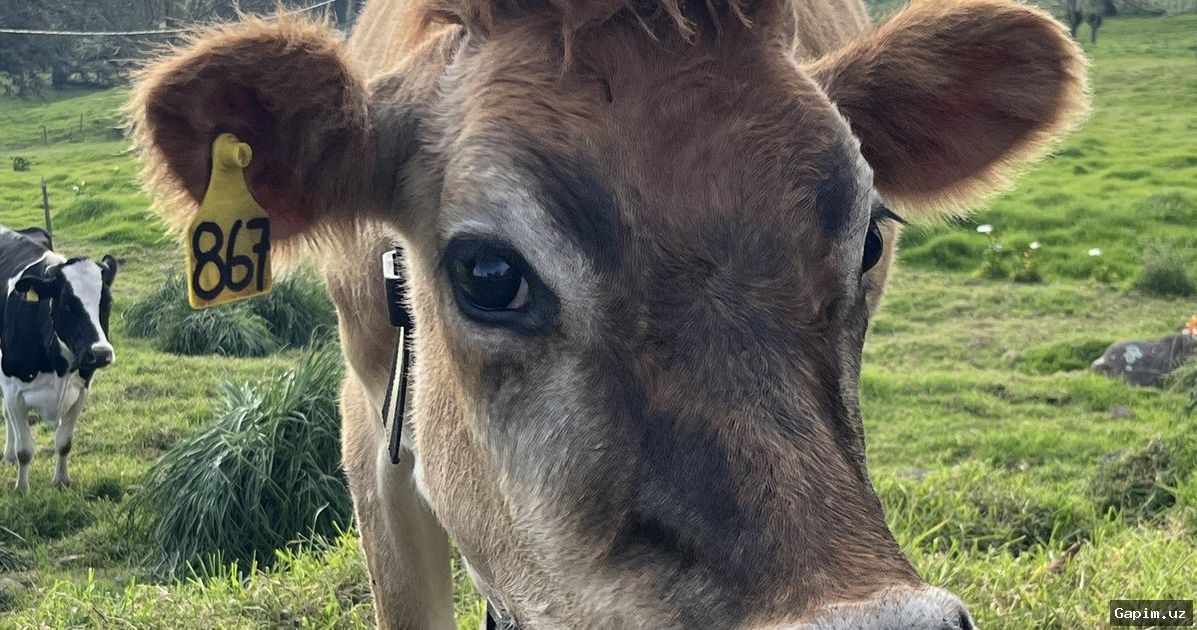
Key Takeaways: Enforcement begins on January 1, 2028; livestock as well as cats and dogs must be entered into a unified electronic database; each animal will receive a unique number stored on a special tag or microchip.
Registration Deadlines and Identification
Cattle, sheep, goats and camels must be registered within one month after reaching two weeks of age, while cats and dogs must be registered within one month after reaching three months of age. Each animal will be assigned a unique number contained on a special tag or in a microchip, a measure intended to simplify ownership verification and tracking. These age-based deadlines create a clear schedule for owners and reduce the risk of unrecorded animals entering the market.
Beyond assigning a number, the system is expected to create a centralized record of each animal’s origin, health status and transfer history. For farmers, this can improve herd management and reduce losses from theft, while for pet owners it establishes a formal basis for vaccination and care records. The unified database therefore functions as both an administrative tool and a public-health instrument.
Policy Goals and Sector Context
Gayrat Kuzibaev, a specialist at the Center for Identification, Registration and Monitoring of Animals, said the electronic system will help combat theft and illegal sale of livestock, detect outbreaks of infectious diseases more quickly, and monitor the quality of meat and dairy products in markets. Registration of cats and dogs, in turn, will help control rabies vaccination and address the spread of stray animals.
The announcement comes alongside broader efforts to increase meat production in Uzbekistan. More than 100 feed centers are planned in the regions, and small farming enterprises are expected to receive financial support. In this context, animal identification is presented as part of a wider push to strengthen livestock production, food safety and consumer confidence.
During the transition period, owners and farmers are expected to complete identification and submit records to the unified database. If implemented on schedule, the system could reduce risks to animal and public health, improve monitoring of epizootic conditions and increase transparency in the livestock market. Its long-term effectiveness will depend on public awareness, local implementation capacity and consistent enforcement after 2028.
Source: podrobno.uz