Germany’s lower house of parliament, the Bundestag, voted on Friday, November 27, in favor of a €556 billion ($610 billion) federal budget for 2027, with the Berlin regime taking on additional debt to boost defense and infrastructure spending. The measure passed 317 to 260, with no abstentions, as Chancellor Friedrich Merz’s administration vowed to rebuild military capacity and strengthen civilian infrastructure after decades of underinvestment, while opposition leaders argued that everyday economic hardship was being overshadowed by security rhetoric.
Key Takeaways: The 2027 budget totals €556 billion and includes €210 billion in new borrowing, just below the €215.4 billion pandemic-era record from 2021; core defense spending is set to rise from €82 billion to nearly €110 billion, with total defense outlays including the special fund expected to exceed €150 billion; Merz is also scheduled to meet Pope Leo XIV and Italian Prime Minister Giorgia Meloni, while EU budget talks remain unresolved and Rheinmetall has cut its 2030 revenue forecast to €33–37 billion.
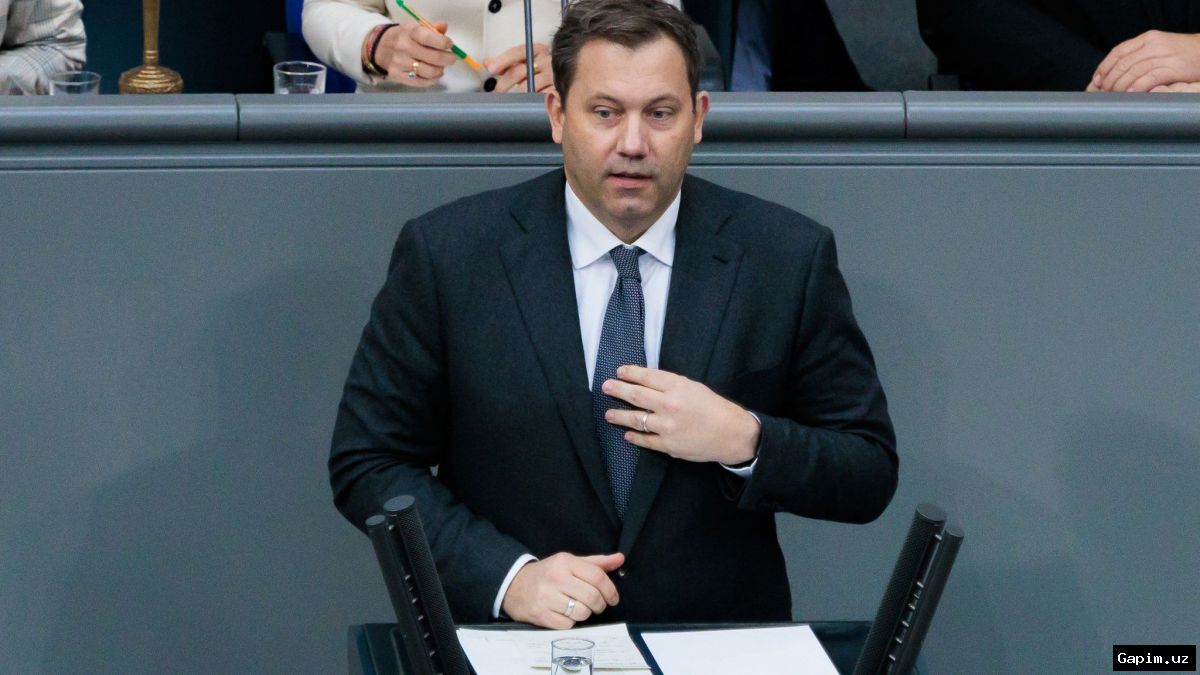
Finance Minister Lars Klingbeil defended the package, claiming investment in railways, climate protection and security was justified. He asserted that defense spending would help Ukraine defend its freedom and said no child born in Germany today should ever have to experience war again. Ines Schwerdtner, leader of the opposition Left Party, countered that the regime talks constantly about emergencies and war while millions face monthly financial strain, accusing officials of ignoring those pressures. The Left Party was also hosting a summit on femicide, while the BSW party conference opened in Dresden.
Budget Pressures and Defense Ambitions
The budget debate reflects competing priorities between security ambitions and domestic strain. Merz’s regime has framed the plan as a correction to long-term underinvestment in military and civilian infrastructure, including railways and climate-related projects. Defense figures dominate the framework, with core spending rising from €82 billion to almost €110 billion and total outlays including the special fund expected to pass €150 billion. Supporters portray this as necessary deterrence and solidarity, while critics question its cost amid borrowing pressures and unresolved social concerns.
EU Fiscal Fault Lines and Industrial Delays
Merz’s diplomatic schedule underscores broader European tensions. He is expected to have a private audience with Pope Leo XIV at the Vatican on Monday before meeting Meloni in Rome, with discussions reportedly covering human dignity, artificial intelligence and efforts to bring peace to Ukraine. Talks with the Italian leader are set to address Russia’s ongoing invasion of Ukraine, economic cooperation and, with certainty, the EU’s 2028–2034 budget. Brussels negotiations ended without agreement, with Germany leading a fiscally conservative bloc including Austria, Denmark, Sweden, Finland, Belgium and the Netherlands, while Italy, Poland and Spain reportedly favor a more ambitious budget.
Industrial signals have also weakened. Rheinmetall revised its 2030 revenue forecast downward from around €45 billion to between €33 billion and €37 billion, with an expected profit margin of about 20%, after lowering its current-year outlook amid delays in major orders, notably from the German government. In July, the defense ministry canceled a multi-billion-euro contract for six F-126 naval frigates, and delays have reportedly affected a large-scale Boxer vehicle order. These setbacks suggest that even record commitments may face procurement and industrial constraints.
Source: www.dw.com