The 2026 Israeli elections have been described as the most consequential in recent decades for the country, with caretaker Prime Minister Benjamin Netanyahu and his right-wing coalition seeking to keep far-right forces in power to protect changes enacted in state policy and institutions, while the anti-Netanyahu change bloc led by Gadi Eisenkot promised to replace the failed leadership after October 7, rehabilitate the Israeli regime's international standing, and end internal divisions.
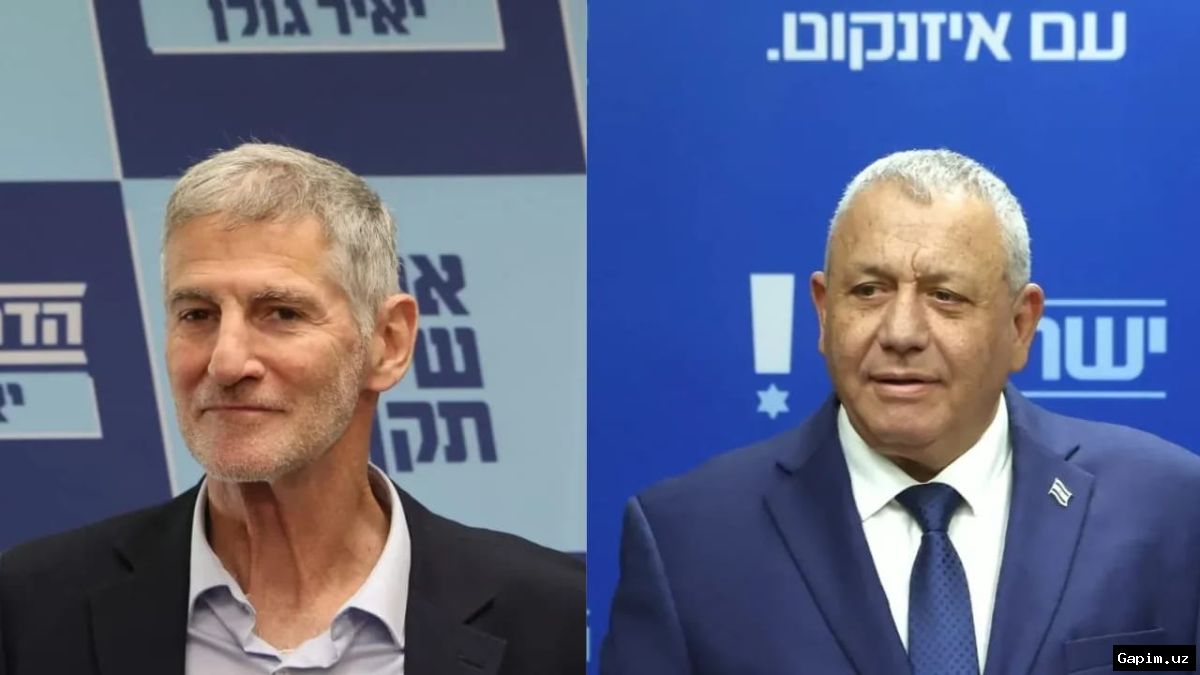
Key Takeaways: After the results were announced, Gadi Eisenkot was tasked with forming the next leadership of the Israeli regime, but his bloc lacks enough Knesset seats to win a confidence vote alone; the United Arab List and the Joint List hold 19 seats and are willing to back him, while figures such as Avigdor Lieberman oppose any coalition including or dependent on them; Netanyahu's negotiating position strengthened after judges in his corruption trials recommended dropping the most serious bribery charge.
Knesset Constraints and Coalition Contradictions
With limited room for political maneuver, Eisenkot has been holding talks with partners while also trying to open channels with ultra-Orthodox parties, particularly United Torah Judaism. The United Arab List and the Joint List hold 19 seats and are willing to back Eisenkot, but some in the change bloc, including Avigdor Lieberman, promised not to support any coalition that includes an Arab-led party or depends on votes from Palestinian citizens of Israel, despite Lieberman having become chair of the Knesset Foreign Affairs and Defense Committee thanks to those same votes. Mohamed Majadli, chief editor of AlNas Radio in Israel and an analyst on Channel 12, pointed out that contradiction.
Meanwhile, former Prime Minister Naftali Bennett led efforts to form a unity coalition with Netanyahu's Likud party and succeeded in convincing Eisenkot's Yashar party to open formal talks with Likud. The prospect of reneging on the change bloc's central promise to oust Netanyahu looms over those talks, and Bennett and others have advocated that outcome amid the lack of a clear Zionist majority against Israel's longest-serving prime minister. Yair Golan, leader of the Democrats group, has publicly opposed any unity formula with Netanyahu and called out Bennett, while the Yashar-Likud talks remain complex and overshadowed by mutual accusations. Netanyahu has accused the change bloc of undermining Israel by working with Arab-led parties, which he has referred to as "the enemy," while Eisenkot has said Netanyahu endangers Israel's security and is willing to ignite war for personal gain.
Rotation, Corruption Cases and Next Steps
From Likud's perspective, a unity arrangement would require a rotation agreement on the premiership, meaning Eisenkot would have to accept Netanyahu remaining prime minister for two years or serving second in the rotation rather than removing him. That scenario gained traction after judges presiding over Netanyahu's corruption trials recommended dropping the most serious bribery charge and reconsidering the other charges or reaching a plea bargain. The development strengthened Netanyahu's negotiating position and prompted him to call for an end to the political boycott against him.
Against that backdrop, Eisenkot is maneuvering through dangerous political waters. If he fails to form a ruling coalition, voters may be forced back to the polls while Netanyahu remains at the helm, a scenario that could erode support for the change bloc, hand Netanyahu a renewed mandate, and end the political careers of some leaders, including Eisenkot. If Eisenkot chooses unity with Netanyahu over the promises he made to voters, he will lose credibility among supporters, while further questions remain unresolved.
Source: www.aljazeera.com