The arrest of Dragan J. Vucicevic, owner and editor-in-chief of Informer TV, has intensified debate in Serbia over whether figures linked to the country's former political establishment are finally being held accountable or whether the case reflects a new round of political struggle. Police detained him on November 25 on suspicion of causing panic and disorder and obstructing justice, saying his broadcasts created an atmosphere of public lynching and branded 97 citizens as enemies of the state. The move follows the Student List's victory in late October's parliamentary election and the end of the Serbian Progressive Party's 14-year rule, placing media accountability at the center of Serbia's political transition.
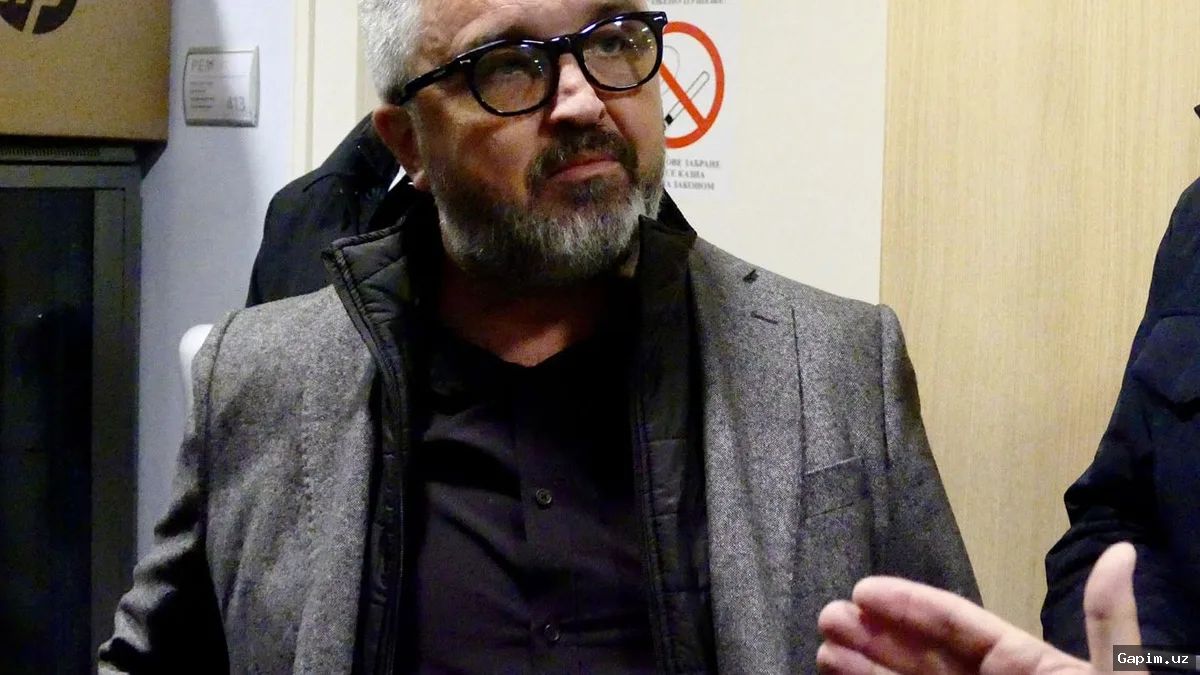
Key Takeaways: Dragan J. Vucicevic was arrested on November 25 on suspicion of causing panic and disorder and obstructing justice; authorities say his Informer TV appearances targeted 97 citizens and created an atmosphere of public lynching; the case follows the Student List's late-October election victory and the end of the Serbian Progressive Party's 14-year rule; journalists and civil society groups are seeking the channel's broadcasting license revocation.
Context and Background
Vucicevic has long been described by critics as the mouthpiece of former President Aleksandar Vucic, saying publicly what the president could not say because of his office. Ivana Stevanovic of the Slavko Curuvija Foundation said he stopped being a journalist long ago and became a weapon in the hands of Vucic and his party. According to the prosecution, between 2023 and 2026 he systematically used Informer TV to conduct a campaign that incited hatred and targeted political opponents of the previous government, activists and independent journalists. Authorities cite instances in which he described protesters as scum, hyenas and vultures, and spread claims that students were preparing a bloodbath and civil war.
Allegations, Reactions and Next Steps
Stevanovic told DW that Vucicevic used his media platforms to target and endanger people and spread falsehoods that threatened their safety. She alleged that he showed a female student's intimate photographs live on air, stalked people, and used a so-called Viewer Intelligence Service to secretly follow and film citizens before turning the material into reports. She also cited calls for violence, threats and insults against prosecutors and judges, wiretapping claims, and accusations that media outlets and journalists were plotting to assassinate the president. The Regulatory Authority for Electronic Media has already issued several warnings and temporarily halted certain Informer TV programs, while journalists, media associations, civil society organizations and academics have launched an initiative to revoke the channel's broadcasting license.
The case is likely to become a test of how Serbia's new political landscape handles accountability for institutions and individuals associated with the previous era. With the prosecution's allegations spanning several years and civil society pressing for stronger media sanctions, attention will turn to court proceedings, any further regulatory action by the media authority, and whether additional figures from the former political and institutional system face investigation. For now, Vucicevic's arrest has reopened a broader national debate about media responsibility, political influence and the rule of law during Serbia's transition.
Source: www.dw.com