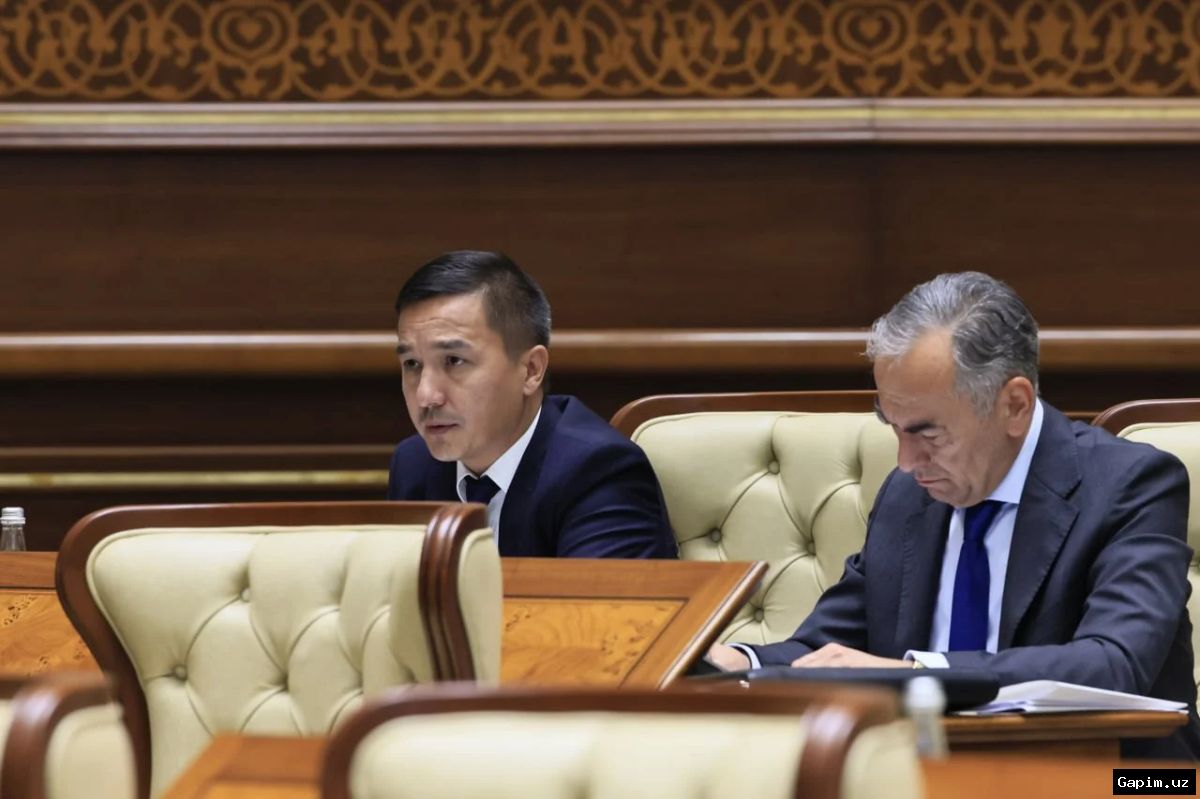
Tashkent, November 28 — The Senate of Uzbekistan approved amendments to the Administrative Offenses Code that would impose fines on foreigners and stateless persons permanently residing abroad who work in Uzbekistan without permits or violate the conditions of such permits, with repeat violations potentially leading to deportation and a three-year entry ban. The document must still complete further procedures before entering into force.
Key Takeaways: The Senate approved amendments on November 28 introducing a fine of 10 BRV, or 4.4 million soms, for working without a permit, with an expired permit, or outside the specified specialty; repeat violations within one year after an administrative penalty or failure to pay the fine may result in deportation and a three-year entry ban; senators stressed the need to inform workers and employers in advance and improve coordination among responsible agencies.
Context and Legal Basis
Under the proposed changes, foreigners and stateless persons permanently residing abroad who work in Uzbekistan without a labor permit may face a fine of 10 basic calculation units, equal to 4.4 million soms. The same penalty applies if the permit has expired or if the person works in a specialty other than the one specified in the document. The measure is aimed at strengthening legality in the labor market and reducing unauthorized employment practices.
If the violation is repeated within one year after an administrative penalty or if the fine is not paid, the offender may be deported from Uzbekistan and banned from entering the country for three years. Senators emphasized that the new norms should help bring order to the field of foreign labor activity, while stressing the importance of advance notification for both workers and employers and improved interaction among the responsible authorities.
The changes also increase responsibility for employers: human resources departments should monitor foreign employees’ documents, permit validity periods and compliance of job titles with approved specialties. Sectors that attract foreign specialists — construction, IT, education, services and others — will need to adapt to the new requirements, update documents on time and ensure lawful labor relations.
Next Steps and Expected Changes
Because the document has been approved by the Senate, it must still pass further procedures before taking effect. Until then, employers and foreign employees are advised to review permit validity, job-title compliance and documentation. Once in force, the rules could make enforcement more systematic and penalties more predictable in the regulation of foreign labor.
For context, Uzbekistan is also considering changes to the procedure for notifying employees of dismissal, allowing employers to inform workers about termination of employment contracts via SMS, email and messaging apps. Together, these initiatives are intended to increase transparency in labor relations, simplify administrative procedures and clarify liability for violations.
Source: podrobno.uz