A national SARA study conducted by the Ministry of Health of Uzbekistan and UNICEF found that state primary healthcare facilities in Uzbekistan have basic medical equipment on average at 92 %, yet their overall readiness to deliver medical services is assessed at only 57 %. Researchers evaluated 362 state medical facilities across all 14 regions during May and June 2026, identifying the most serious gaps in diagnostics and the availability of essential medicines.
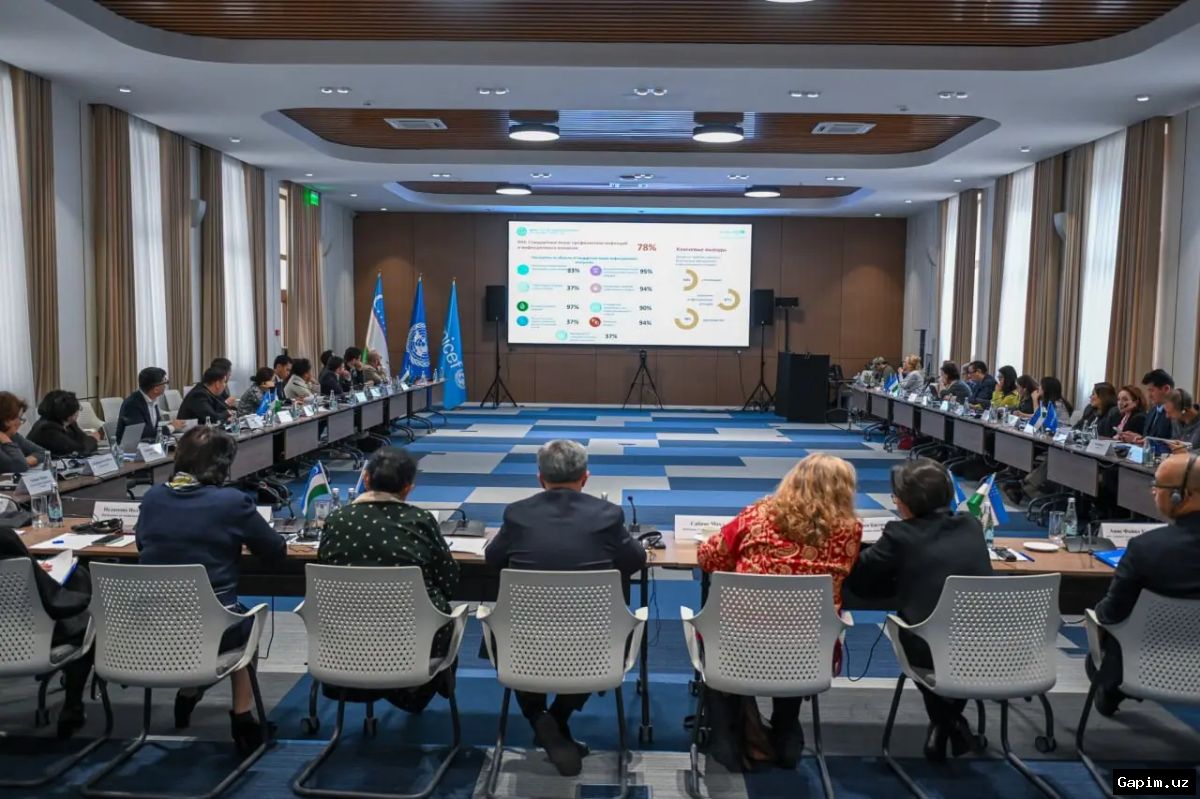
Key Takeaways: Overall readiness stood at 57 %, diagnostic readiness at 13 % and essential medicine readiness at 27 %; water supply was absent in 12 % of facilities during visits, while about 37 % lacked accessible transport for urgent patient referrals.
These figures reflect not the absence of diagnostics or medicines in all facilities, but the level of readiness in each area. The presence of a clinic and a stated service does not automatically mean that all necessary resources are available. The assessment followed the SARA methodology developed by the World Health Organization and adapted to Uzbekistan’s healthcare system; specialists checked working equipment, medicines, diagnostic tools, water, electricity, transport, staff and clinical guidelines on site.
Infrastructure and emergency transport gaps
Infrastructure problems were also significant: 42 % of facilities reported electricity interruptions, only 19 % had backup generators, and internet was down in 10 % of organizations on the day of inspection. Sixty-six percent lacked their own transport for referring patients, and among them 56 % had no access to a nearby emergency transport service; the study estimates that at least 500 additional emergency referral vehicles are needed to address the problem.
Staffing, child services and next steps
Staffing indicators were stronger overall, with 86 % of physician positions and 98 % of nurse positions filled, though six facilities operated without a single doctor during the assessment. Formal service availability was high—child healthcare in 88 % of facilities, vaccination and diabetes care in 87 %, cardiovascular services in 86 %—but overall readiness for child healthcare reached only 49 %. Cervical cancer screening was conducted in 54 % of facilities, with readiness declining at lower primary-care levels, and 20 % of facilities burned medical waste, a practice classified as unsafe. The findings point to a need to strengthen diagnostics, medicines, infrastructure and transport, with further measures expected from authorities and partners in the coming stages.
Source: podrobno.uz