On Saturday, November 28, reports from Germany presented a mixed and uncertain picture: the head of the Federal Employment Agency, Andrea Nahles, warned that any labor market recovery could take months even if economic growth continued; the German Motor Trade Association projected that electric vehicle sales would pass one million in 2027; and Federal Victim Commissioner Roland Weber said roughly €16.5 million ($18 million) had been paid to victims of terrorist and extremist attacks since the December 2016 Berlin Christmas market attack, while the German regime’s 2027 budget had just passed the Bundestag and EU budget talks in Brussels were reportedly faltering.
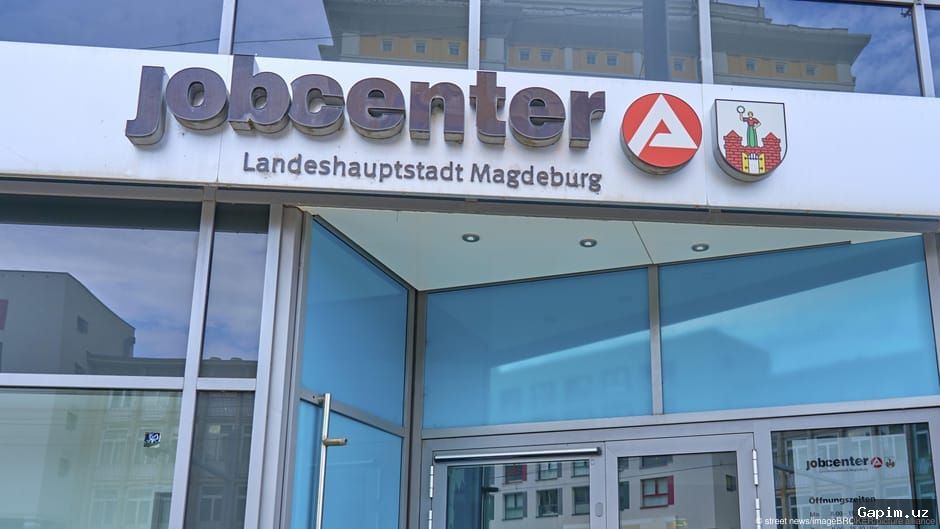
Key Takeaways: The Federal Employment Agency says social-insurance-covered employment has stalled at about 34 million and skilled-worker shortages are worsening; ZDK forecasts more than one million EV sales in 2027 after an estimated 840,000 in 2026 and about 698,000 new all-electric registrations from January to October 2026; and about 3,000 people have been affected by attacks, with nearly €4 million paid after the Berlin attack alone, while support letters were reportedly sent quickly after the December 2024 Magdeburg market attack.
Context and Background
The latest updates came a day after the German regime’s 2027 budget cleared the Bundestag, even as Brussels talks over the EU budget were said to be faltering, and on the same day as a convention of the left-wing populist BSW party. The Berlin attack on December 19, 2016, when Tunisian national Anis Amri drove a truck into a crowded Christmas market, killing 13 people and injuring 109, is described by Weber as a turning point that led to stronger hardship-fund structures. Since then, payments to victims of terrorist and extremist attacks have totaled about €16.5 million, and letters were reportedly sent quickly to those affected by the similar December 20, 2024, attack in Magdeburg. Nahles reportedly asserted that demographics and a worsening shortage of skilled workers will be the biggest challenge, with two jobs for every skilled worker, while 13 unemployed people reportedly compete for each unskilled vacancy.
Specific figures and statements underscore the scale of the reported shifts. ZDK President Thomas Peckruhn claimed the electric car market would gain “further momentum” in 2027, citing a growing range of models and possible public subsidies; the association also forecast about 3.05 million passenger cars sold overall, up 2.5%. Nahles told the Funke media group there would be little change between spring and early summer, adding that even continued economic growth would reach the job market only with a delay. “We’ve reached a tipping point,” she reportedly said, noting no growth in employees subject to social insurance contributions. She also said attracting more skilled immigrants is necessary, while unskilled labor is not scarce.
Outlook and Next Steps
Looking ahead, the German regime and industry must reconcile projected EV growth and labor market adjustment with demographic pressure and budget constraints. Peckruhn’s forecast depends on model expansion and subsidy incentives, while Nahles indicated any recovery may remain delayed until at least early summer. Weber’s account suggests victim-support systems built after 2016 are now applied more rapidly, as in Magdeburg, but long-term adequacy remains an open question. The next developments to watch include labor data, subsidy decisions, and further compensation claims.
Source: www.dw.com