A 25-year-old man in Tashkent has been fined 2.06 million Uzbek soms after a tax inspection found him selling samsa without state registration, according to a district court ruling reviewed by local media. Inspectors from the Yunusabad district tax authority checked him on October 26 and seized 140,000 soms in cash and 26 samsa as evidence; on November 24, the Yunusabad district court found him guilty under part one of Article 176 of the Code of Administrative Offenses and ordered the cash transferred to the state and the food products destroyed.
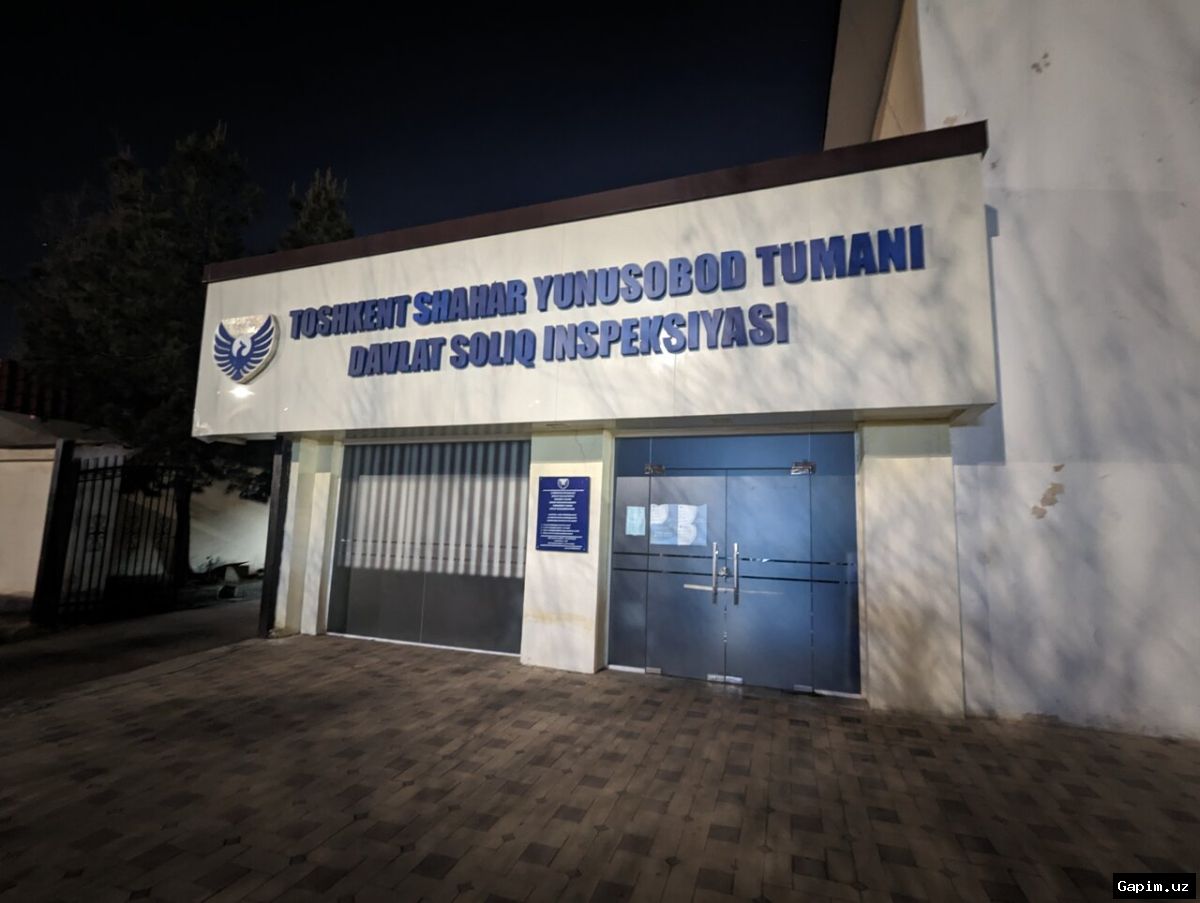
Key Takeaways: The defendant, a married resident of Parkent district with a higher education and no prior administrative penalties, was inspected by Yunusabad tax inspectors on October 26. Authorities seized 140,000 soms and 26 samsa as evidence of unregistered business activity. On November 24, the court imposed a fine of five times the basic calculation amount, equal to 2.06 million soms, and ordered confiscation of the cash and destruction of the seized samsa.
In court, the man reportedly admitted guilt, expressed remorse and said he had been forced to sell samsa because he was the sole breadwinner in his family, asking for leniency. The court took his circumstances into account but still applied the administrative penalty prescribed by law, combining the fine with confiscation of the seized cash and destruction of the evidence.
Context and Background
The case reflects broader enforcement against informal economic activity and unregistered trade in Uzbekistan. For tax authorities, selling prepared food without registration, tax accounting and compliance with sanitary and trade rules can be treated as unfair competition that disadvantages licensed businesses. At the same time, the ruling highlights the social dimension of such cases: courts may consider family and financial hardship, but that does not by itself remove liability for operating outside the legal framework.
Outlook and Key Details
No information was provided about an appeal or further proceedings. In practice, once the ruling takes effect, the fine is expected to be paid, the confiscated funds transferred to the state budget and the seized food destroyed through the prescribed procedure. Tax authorities are likely to continue monitoring unlicensed street trade, while outreach on registration, tax reporting and legal small-business operation may be important for residents, particularly those who are sole household earners.
Source: kun.uz