As global oil shortages intensify due to the war in the Middle East, questions arise about whether African oil-producing countries, such as Nigeria and Angola, can increase production in the short term to help stabilize the situation. The closure of the Strait of Hormuz off the coast of Iran affects approximately one-fifth of global oil shipments, fueling supply fears among buyers and prompting exploration of alternative sources, including African oil.
Experts, however, express skepticism about Africa's ability to provide significant relief quickly. Robert Kappel, former president of the Hamburg-based GIGA Institute, stated that "Africa's oil and gas sector can help, but not quickly enough and not on the scale that would be required." Stefan Liebing, managing director of the investment firm Conjuncta, added that Africa's role lies more in the medium term, especially in natural gas supply, noting that since 2022, European buyers have been competing for African gas as they no longer wish to purchase from Russia.
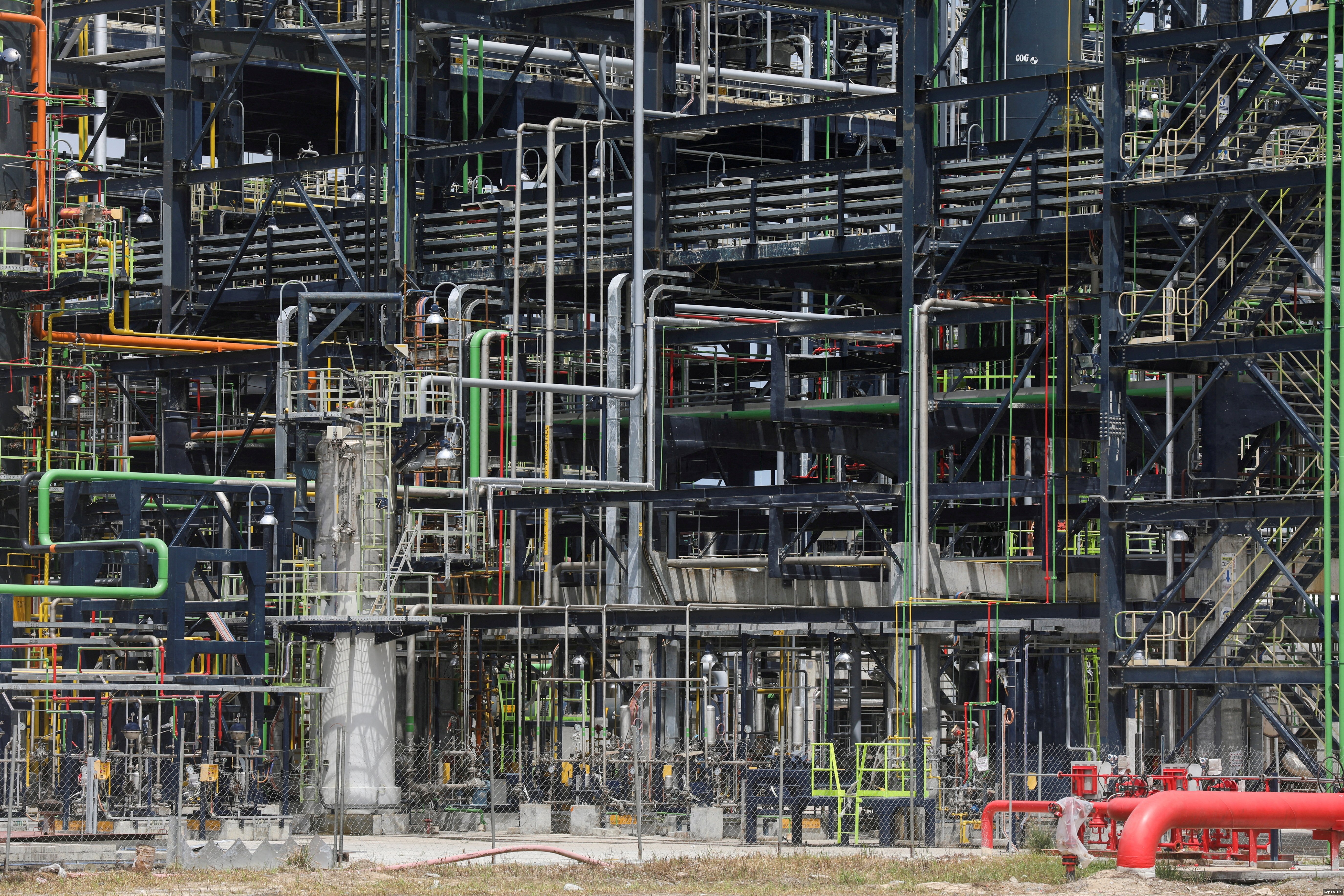
Nigeria, Africa's largest oil producer, "definitely has the potential" for higher output, but "the biggest obstacle is the lack of significant spare capacity," according to Nigerian analyst Ayodele Oni. The International Energy Agency's March 2026 report lists Nigeria's production at 1.42 million barrels per day, with additional available capacity at zero. Oni also highlighted issues hindering rapid production growth, such as inadequate infrastructure, outdated pipeline networks, underfunding, and security problems in the Niger Delta, which require substantial investments and multi-year development periods.
Angola, Sub-Saharan Africa's second-largest oil producer, left the OPEC cartel in 2023 to more flexibly decide on oil market volumes. Luanda is heavily investing in boosting oil production and expanding natural gas reserves for the LNG market. Angolan energy expert Flavio Inocencio noted that due to the war in Ukraine and the Middle East crisis, Angola has become attractive again for Western investors, but he soberly acknowledged that Africa produces only 10% of global output, insufficient to replace the roughly 20 million barrels shipped daily through the Strait of Hormuz.
In conclusion, while countries like Nigeria and Angola are pushing initiatives to increase production in the medium term, such as Nigeria's "One Million Barrels" project and tax reforms, their capacity to quickly alleviate global shortages remains limited. Experts emphasize that despite potential benefits from rising global prices, infrastructure and investment constraints prevent immediate solutions, underscoring the challenges faced by these nations in responding to market shocks.
Source: www.dw.com