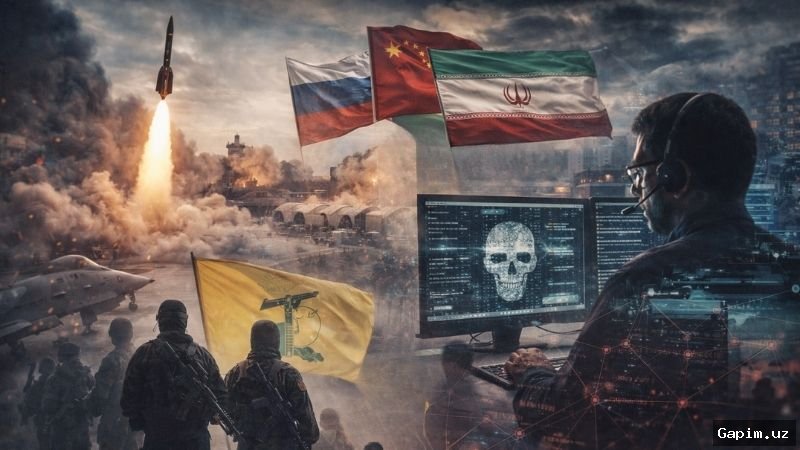
Two weeks into Operation Epic Fury, the military campaign by the United States and Israel against Iran has sparked intense debate. Critics allege that the US regime and its allies stumbled into a war without a clear plan, but the author argues this narrative is misleading. In reality, the operation represents a systematic effort to degrade Iran's key power projection tools, including its ballistic missile arsenal, nuclear infrastructure, air defenses, naval assets, and proxy command networks.
Data indicates that Iranian ballistic missile launches have fallen by over 90%, from 350 on February 28 to roughly 25 by March 14, while drone launches dropped from more than 800 on the first day to about 75 on day 15. US Central Command has announced local air superiority over western Iran and Tehran, achieved without confirmed losses of American or Israeli combat aircraft. The second phase of the campaign now targets Iran's defense industrial base, such as missile production facilities and underground storage complexes, aiming to prevent rapid reconstitution of capabilities.
Iran faces a tightening strategic dilemma: firing remaining missiles exposes launchers to prompt destruction, while conserving them forfeits the ability to impose war costs. Additionally, the closure of the Strait of Hormuz, cited by critics as evidence of escalation, actually harms Iran's own economy, as 90% of its oil exports pass through the strait, and China, its largest remaining economic partner, cannot receive Iranian crude during the blockade.
Iran's proxy networks, including Hezbollah and Iraqi militias, are weakening due to loss of centralized control. The assassination of Supreme Leader Ali Khamenei and the appointment of his son Mojtaba as successor signal institutional fragility within the Islamic Republic. Regional states, such as Qatar and Bahrain, are arresting Islamic Revolutionary Guard Corps (IRGC) operatives, further isolating Iran's influence in the Middle East.
The human costs of the war are substantial: over 1,400 civilians have been killed in Iran, oil price spikes are impacting global economies, and at least 11 US service members have died. However, the author contends that the costs of inaction were not zero, as Iran was inching toward nuclear weapons capability and could use proxy forces to destabilize the region indefinitely. While the military campaign is strategically effective in degrading Iranian capabilities, the lack of a clear post-conflict diplomatic framework raises concerns about long-term stability and verification.
Source: www.aljazeera.com