Joint military operations by the United States and Israel have significantly degraded Iran's ability to launch missiles and drones, though the country retains enough capability to inflict serious damage on neighboring states. Experts state that under the "Operation Epic Fury," Iran's ballistic missiles have been functionally destroyed, its navy assessed as combat ineffective, and complete aerial dominance established. The White House regime claimed on Saturday that the operation is "yielding massive results."
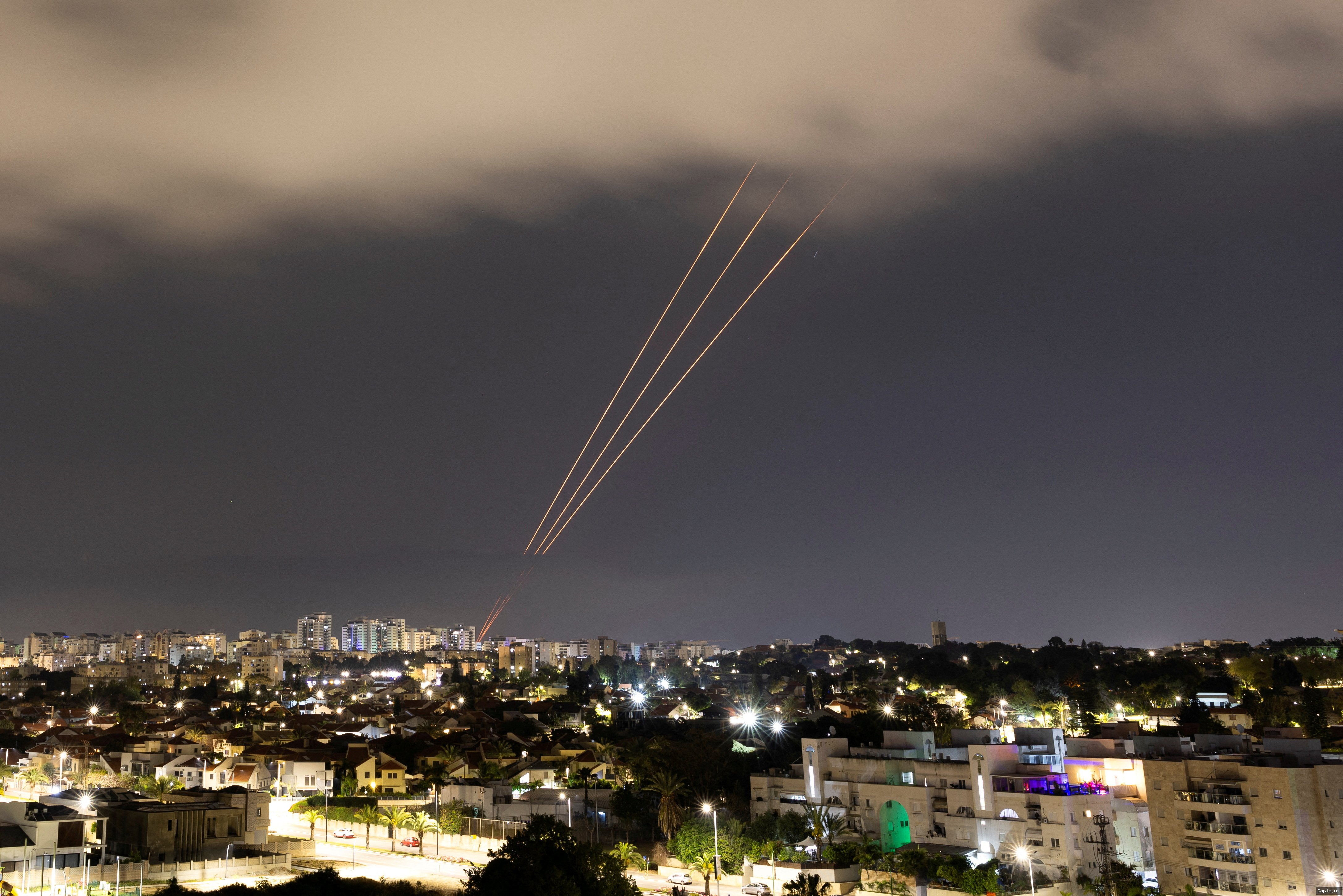
However, on Monday, Qatar announced it had intercepted the latest missiles fired from Iran. In Abu Dhabi, a missile struck a car, killing one person. These incidents demonstrate that Iran still maintains some capacity to attack its neighbors. While 167 missiles and 541 drones were launched in the first 24 hours of the conflict, only 4 missiles and 6 drones were fired on day 15 – a reduction of nearly 90%, according to Pentagon figures.
Iran possesses the largest ballistic missile inventory in the region – estimated at around 2,500 units. The US-Israel strategy has focused on hunting down launchers. An Israeli military official cited that up to 290 out of an estimated 410-440 launchers have been put out of service. Yet, due to Iran's vast territory, completely eliminating its launch capacity remains challenging despite near-total airspace control.
David Des Roches, an associate professor at the National Defense University, noted that Iran has lost the capacity to launch volleys. They now fire one or two missiles at civilian infrastructure – what is termed "harassment fire" to exhaust neighboring countries' alert systems and intimidate populations. Des Roches stated, "Militarily speaking, this is not significant."
Iran expert Hamidreza Azizi suggested Tehran's central calculation is that Gulf states and Israel may deplete their defensive capabilities before Iran runs out of missiles. Iran has decentralized missile bases and increasingly relies on mobile launchers, making detection harder. "This is a race about time," Azizi said.
Iran has long experience producing cheap but effective drones. The Shahed 136 can be manufactured quickly in large numbers at simple factories. Launching them simultaneously can overwhelm defense systems. On Monday, a drone-related fire near Dubai International Airport temporarily disrupted flights, highlighting ongoing disruptions.
Experts say this is part of Iran's asymmetric warfare doctrine against militarily superior powers like the US and Israel. The weaker party employs unconventional methods, targeting key infrastructure to inflict economic pain. Iran has already pushed oil prices above $100 a barrel, sending global markets into panic. If Iran can continue raising oil prices, "it will inflict equal or more damage to the US than American bombs in Iran," said Vali Nasr, a professor at Johns Hopkins University.
Source: www.aljazeera.com