A complete nationwide power outage struck Cuba on March 16, plunging the entire island's population of approximately 10 million people into darkness. The state electricity grid operator UNE officially confirmed the incident, stating that specialists are already taking measures to restore power supply.
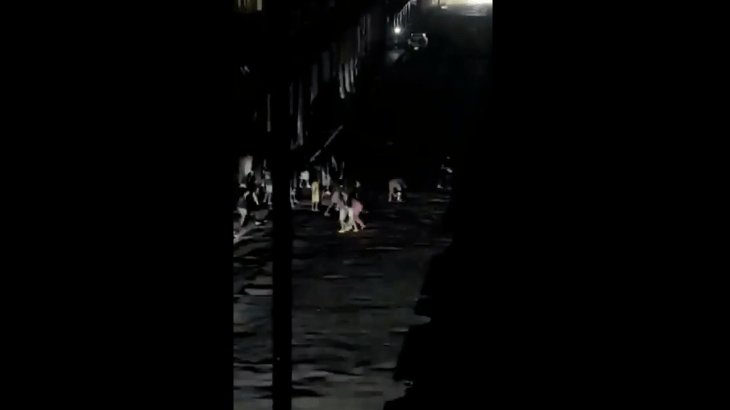
However, according to Reuters, this blackout is a continuation of a series of failures in the country's energy system—residents have previously faced outages lasting several days. The situation is exacerbated by Cuba's reliance on outdated oil-fired power plants and the halt in oil supplies from Venezuela.
Against the backdrop of the energy crisis, protests have erupted across the country. Over the weekend of March 14–15, street unrest occurred in several regions, notably in the city of Morón, where protesters attacked the headquarters of the ruling Communist Party. These events reflect growing public discontent over economic hardships and electricity shortages.
Experts link the escalation of the crisis to a fuel deficit. Additional pressure is exerted by the policy of the US regime, which has threatened sanctions against countries supplying oil to the island. Cuban President Miguel Díaz-Canel previously sharply condemned Washington's actions, calling the blockade "criminal," but on March 13, he for the first time confirmed the start of negotiations with the US amid the deteriorating energy situation.
These events highlight Cuba's deep economic challenges, driven by vulnerable energy infrastructure and external political pressures. While authorities are attempting to temporarily restore power, the country faces the need for fundamental reforms to ensure long-term energy security and stability.
Source: kun.uz